Lítost 1970
Czechoslovakian drama *Lítost (1970)*, directed by Evald Schorm, dives deep into the complexities of pride, ambition, and the quiet desperation of a man chasing an unattainable ideal.
Director: Evald Schorm
Cast




Frequently Asked Questions
What is Lítost (1970) about?
The film follows Jaro Zárubecký, a folk singer who equates his worth with public perception and pushes his son to match his own flawed ideals. His obsession blurs the line between love and control, exposing the fractures in their relationship as societal pressures take their toll.
Who directed Lítost?
Lítost was directed by Evald Schorm, a Czech filmmaker known for his incisive dramas that explore human psychology and social dynamics.
Who stars in Lítost?
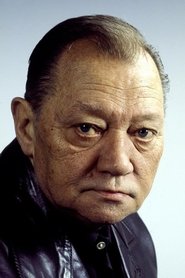
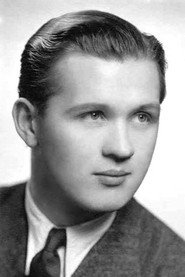
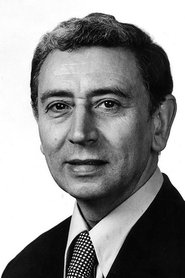
Rudolf Hrušínský leads the cast as Jaro Zárubecký, joined by his real-life son Jan Hrušínský, alongside Vlasta Chramostová and Miloslav Homola.
Is Lítost (1970) worth watching?
*Lítost (1970)* is a compelling drama for viewers who appreciate psychological depth and character studies. Its themes of pride and parental pressure resonate strongly, though its slow pace may not suit all tastes. If you enjoy thought-provoking Eastern European cinema, it's a hidden gem worth exploring.
How long is Lítost?
Runtime details are not listed.
About Lítost (1970) — The Dark Truth Behind a Father's Obsession
Czechoslovakian drama *Lítost (1970)*, directed by Evald Schorm, dives deep into the complexities of pride, ambition, and the quiet desperation of a man chasing an unattainable ideal. The film centers on Jaro Zárubecký, a once-humble folk singer turned minor celebrity, who clings to his son as the sole purpose of his life. His relentless drive to project success masks a gnawing sense of inadequacy, pushing him to manipulate his son's future to mirror his own unfulfilled aspirations. Schorm crafts a tense, introspective atmosphere where every glance and gesture reveals deeper emotional fractures.
The narrative unfolds against the backdrop of societal pressures, exploring how external perceptions shape identity. As Jaro's insecurities fester, the film questions whether his love for his son is genuine or merely another performance. With sharp performances from Rudolf Hrušínský and Jan Hrušínský, *Lítost (1970)* stands as a poignant examination of self-deception and the cost of living through others.