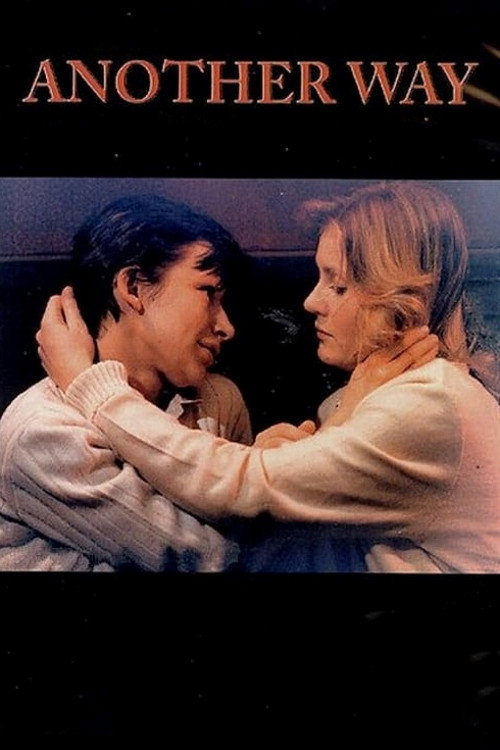
Another Way 1982
Set against the austere backdrop of post-revolutionary Hungary in the late 1950s, Károly Makk's Another Way (1982) masterfully weaves together political tension and forbidden desire.
Director: Károly Makk
Cast


Frequently Asked Questions
What is Another Way (1982) about?
Another Way explores the intertwined struggles of two women navigating love and professional survival in post-1956 Hungary. Eva, a determined journalist, finds herself drawn to Livia, a married colleague, as both confront the brutal limits of political censorship and personal freedom. The film blends historical drama with a poignant love story, set against a society still grappling with the fallout of revolution.
Who directed Another Way?
Károly Makk directed Another Way (1982), a filmmaker known for his emotionally resonant storytelling and exploration of political and personal struggles.
Who stars in Another Way?
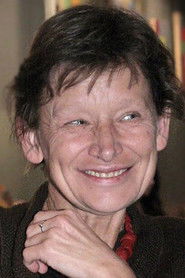
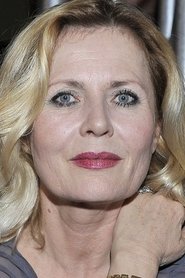
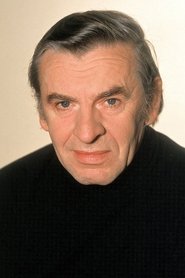
Jadwiga Jankowska-Cieślak and Grażyna Szapołowska headline the cast, supported by Jozef Kroner, Péter Andorai, and Ádám Szirtes.
Is Another Way (1982) worth watching?
Another Way (1982) is a hidden gem for fans of historical dramas and emotionally charged films. While it lacks an IMDb rating, its compelling themes of love, oppression, and resilience make it a thought-provoking watch—especially for those interested in Cold War-era cinema and stories of quiet rebellion.
How long is Another Way?
Another Way (1982) runs for 102 minutes, offering a tight, immersive experience.
About Another Way (1982) — A Bold Love Story Against Political Oppression
Set against the austere backdrop of post-revolutionary Hungary in the late 1950s, Károly Makk's Another Way (1982) masterfully weaves together political tension and forbidden desire. The film follows Eva, a bold and idealistic journalist who lands her first job, only to find the corridors of truth-telling lined with invisible yet immovable barriers. Her life takes an unexpected turn when she meets Livia, a married colleague whose magnetic pull awakens a mutual passion. As they navigate the suffocating grip of state censorship in their professional lives, their private struggle intensifies—both yearning to live authentically in a world that demands conformity. With its stark visuals and emotionally charged narrative, this historical drama feels like a whispered rebellion, capturing the quiet defiance of those who dare to love and speak freely under watchful eyes.
Another Way (1982) stands out for its unflinching portrayal of a society still reeling from the scars of revolution, where personal and political freedoms are equally fragile. Makk's direction lends the story a poignant realism, while the chemistry between Jadwiga Jankowska-Cieślak and Grażyna Szapołowska crackles with restrained intensity. The film doesn't just tell a love story—it paints a portrait of resilience, where every glance and hesitation speaks volumes against oppression.