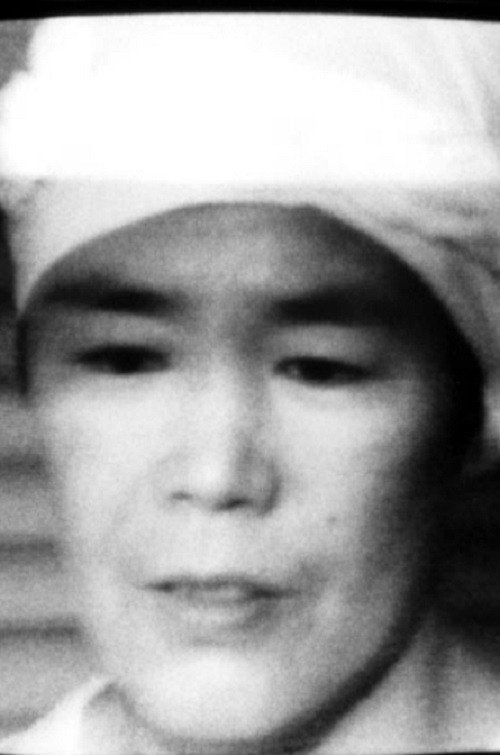
Being Women in Japan: Liberation within My Family 1974
In *Being Women in Japan: Liberation within My Family* (1974), director Kyoko Michishita turns a deeply personal crisis into a poignant exploration of resilience and change.
Director: Kyoko Michishita
Frequently Asked Questions
What is *Being Women in Japan: Liberation within My Family* (1974) about?
This 1974 documentary follows Kyoko Michishita's sister as she recovers from a near-fatal brain surgery, exploring the emotional and familial upheaval that follows. Through this intimate crisis, the film examines how women's roles within the household can shift in unexpected ways.
Who directed *Being Women in Japan: Liberation within My Family*?
The film was directed by Kyoko Michishita, who turns her lens inward to capture both personal healing and the ripple effects on her family.
Who stars in *Being Women in Japan: Liberation within My Family*?
Cast details for this documentary are not publicly available, though the film prominently features Michishita's sister and other family members.
Is *Being Women in Japan: Liberation within My Family* (1974) worth watching?
As a short documentary from 1974, it offers a unique, intimate perspective on family dynamics and resilience during medical crises. While not widely celebrated, its raw honesty and thematic depth make it a compelling watch for fans of personal documentaries.
How long is *Being Women in Japan: Liberation within My Family*?
The runtime is approximately 30 minutes, making it a concise yet impactful viewing experience.
About Being Women in Japan: Liberation within My Family (1974) — A Personal Yet Universal Story of Family and Recovery
In *Being Women in Japan: Liberation within My Family* (1974), director Kyoko Michishita turns a deeply personal crisis into a poignant exploration of resilience and change. The documentary centers on her sister's harrowing four-month hospitalization after brain surgery, a ordeal that not only tests her physical recovery but also forces her family to confront the unspoken tensions in their daily lives. Through intimate footage, Michishita captures the quiet yet profound shifts in relationships and roles within the household, revealing how adversity can expose hidden fractures—and unexpected growth. Shot in the raw style of 1970s Japanese cinema, the film blends raw emotion with subtle critique, offering a rare glimpse into the private struggles of women navigating personal and societal expectations.
At its heart, *Being Women in Japan* is a film about the quiet revolutions within family dynamics. Michishita's lens doesn't just document recovery; it frames the hospital stay as a catalyst for transformation, where traditional roles are questioned and redefined. The atmosphere is tender yet unflinching, balancing moments of vulnerability with bursts of quiet strength. For those interested in documentary films that prioritize humanity over spectacle, this short but powerful film is a testament to how personal stories can illuminate broader social themes.