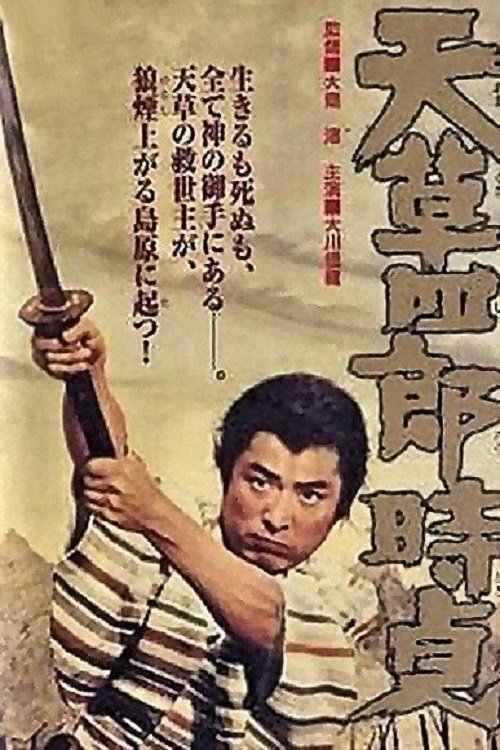
The Christian Revolt 1962
Directed by the provocative Nagisa Ōshima, *The Christian Revolt* (1962) plunges viewers into the turbulent final days of the Tokugawa era, where faith and rebellion collide against a backdrop of oppressive shogunate rule.
Director: Nagisa Ōshima
Cast
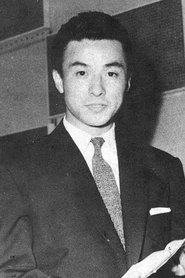
Hashizo Ōkawa
Amakusa Shiro Tokisada
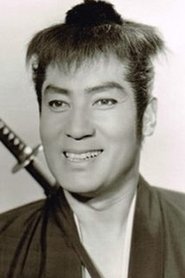
Ryutaro Otomo
Shinbei Oka
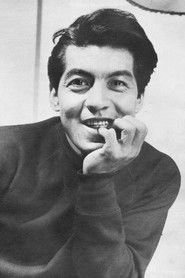
Rentaro Mikuni
Uemonsaku

Satomi Oka
Sakura

Sayuri Tachikawa
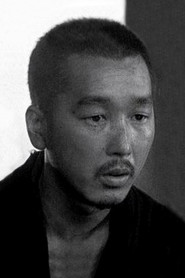
Minoru Chiaki

Mikijiro Hira

Chōichirō Kawarasaki
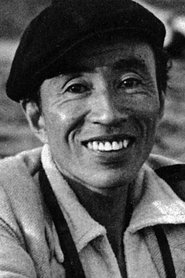
Yoshi Katō

Kei Satō
Frequently Asked Questions
What is The Christian Revolt (1962) about?
*The Christian Revolt* plunges into the 1637 Shimabara uprising, where oppressed Christian peasants, led by the charismatic Shiro Amakusa, take a stand against the brutal shogunate. The film dramatizes their fight for religious freedom and dignity in a society where dissent is met with terror and violence.
Who directed The Christian Revolt?
The film was directed by Nagisa Ōshima, a visionary filmmaker known for his bold storytelling and exploration of social and political themes in Japanese cinema.
Who stars in The Christian Revolt?
The film features a compelling cast including Hashizo Ōkawa, Ryutaro Otomo, Rentaro Mikuni, Satomi Oka, and Sayuri Tachikawa, who bring the story's emotional depth and historical weight to life.
Is The Christian Revolt (1962) worth watching?
While unrated on IMDb, *The Christian Revolt* is a compelling watch for fans of historical dramas and political cinema. Ōshima's direction and the film's themes of resistance and sacrifice make it a thought-provoking experience, especially for those interested in Japanese history or bold, narrative-driven films.
How long is The Christian Revolt?
The runtime for *The Christian Revolt* (1962) is 101 minutes, or just over an hour and a half.
About The Christian Revolt (1962) — A Powerful Tale of Faith, Rebellion, and the Cost of Freedom
Directed by the provocative Nagisa Ōshima, *The Christian Revolt* (1962) plunges viewers into the turbulent final days of the Tokugawa era, where faith and rebellion collide against a backdrop of oppressive shogunate rule. Set in 1637 Shimabara, this historical drama follows a group of desperate peasants—driven to the edge by tyranny and religious persecution—who rise up under the fiery leadership of charismatic rebel Shiro Amakusa. The film crackles with tension, weaving intimate human drama into the larger story of resistance, martyrdom, and the clash between tradition and defiance.
Ōshima crafts a visually striking and thematically rich tale, where every frame drips with the dust of rebellion and the weight of ideological struggle. The atmosphere is thick with desperation and determination, as the characters navigate moral dilemmas, betrayal, and the ultimate cost of their convictions. With its stark portrayal of injustice and its unflinching look at faith under fire, *The Christian Revolt* remains a gripping exploration of how ordinary people confront extraordinary oppression.