Travel Film 2001
Travel Film (2001), a compact 9-minute experimental short directed by Charlie Egleston, weaves together found footage, photographs, and postcards into a deceptively poetic travelogue.
Director: Charlie Egleston
Frequently Asked Questions
What is Travel Film (2001) about?
Travel Film (2001) is a short experimental film that reassembles personal travel footage, photographs, and postcards into a creative travelogue. Instead of presenting a factual account, it intentionally distorts reality to craft a narrative that feels both familiar and mysterious.
Who directed Travel Film?
Travel Film was directed by Charlie Egleston, a filmmaker known for blending documentary elements with experimental storytelling techniques.
Who stars in Travel Film?
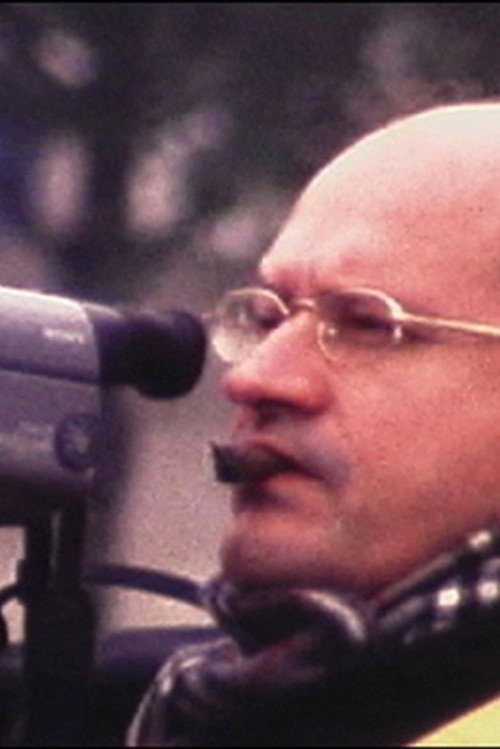
Director and creator Charlie Egleston is the central figure in Travel Film; the cast consists primarily of the filmmaker and the travelers whose footage and artifacts are featured.
Is Travel Film (2001) worth watching?
As a short experimental piece, Travel Film offers a unique and thought-provoking experience that rewards viewers interested in visual storytelling. Its concise runtime and artistic approach make it a worthwhile watch for fans of avant-garde cinema, though its unconventional style may not appeal to everyone.
How long is Travel Film?
Travel Film has a runtime of 9 minutes.
Travel Film (2001): Explore the Hidden Stories Behind the Travelogue — Full Movie Info
Travel Film (2001), a compact 9-minute experimental short directed by Charlie Egleston, weaves together found footage, photographs, and postcards into a deceptively poetic travelogue. Rather than offering a straightforward account of a journey, the film deliberately remixes and reinterprets its visual and audio materials to blur the line between memory and invention. The result is a hypnotic meditation on perception, where the filmmaker's travels become the raw material for a narrative that reshapes empirical reality into something entirely subjective.
This evocative work challenges viewers to question the reliability of images and sounds as historical documents, transforming ordinary travel artifacts into a medley of nostalgia, curiosity, and ambiguity. Egleston's approach turns the act of traveling—and the act of documenting it—into a playful yet profound exploration of how stories are constructed from fragments. With its minimal runtime and maximal creativity, Travel Film invites audiences to reflect on the storytelling power of visual media and the hidden layers within seemingly simple souvenirs.