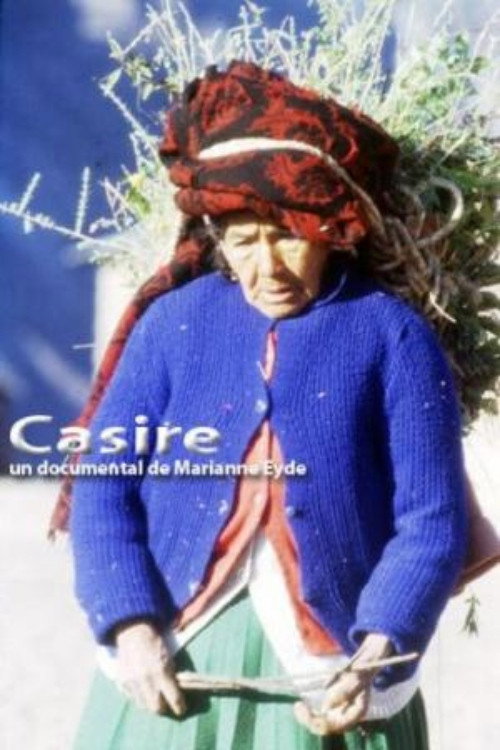
Casire 1980
In the rugged highlands of southern Peru, nestled against the slopes of the Sara Sara Volcano, lies the isolated peasant community of Casire. Home to just two hundred souls, this settlement has long been shrouded in myth and mystery.
Director: Marianne Eyde
Cast
Frequently Asked Questions
What is Casire (1980) about?
Director Marianne Eyde's documentary follows the isolated Peruvian village of Casire, where a young woman's discovery of incestuous relationships unleashes a supernatural reckoning. The volcano Sara Sara erupts, destroying the village but sparing only the women, seen as innocent by the vengeful mountain spirit.
Who directed Casire?
Marianne Eyde directed *Casire*, bringing her keen eye for documentary storytelling to this haunting exploration of myth and community.
Who stars in Casire?
The documentary features Aurora Colina and Delfina Paredes, who portray key roles in the village's unfolding legend and aftermath.
Is Casire (1980) worth watching?
Though unrated on IMDb, *Casire* is a compelling watch for fans of atmospheric documentaries and anthropological storytelling. Its blend of folklore, social taboos, and stunning Peruvian landscapes makes it a unique cinematic experience worth seeking out.
How long is Casire?
The film runs for 58 minutes, offering a concise yet immersive dive into its mythic narrative.
About Casire (1980) — A Peruvian village's tragic legend comes to life on film
In the rugged highlands of southern Peru, nestled against the slopes of the Sara Sara Volcano, lies the isolated peasant community of Casire. Home to just two hundred souls, this settlement has long been shrouded in myth and mystery.
Filmmaker Marianne Eyde's striking documentary *Casire (1980)* dives into the community's fragile existence and the ancient legend that binds it. When a young woman uncovers incestuous practices rooted in the volcano's perceived curse, nature itself seems to intervene—erupting in fury and leaving the village in ruins. Yet the volcano, personified as a maternal force, spares only the women, judging the men culpable. Through poetic visuals and intimate storytelling, the film explores themes of justice, survival, and the enduring power of folklore in shaping human destiny.