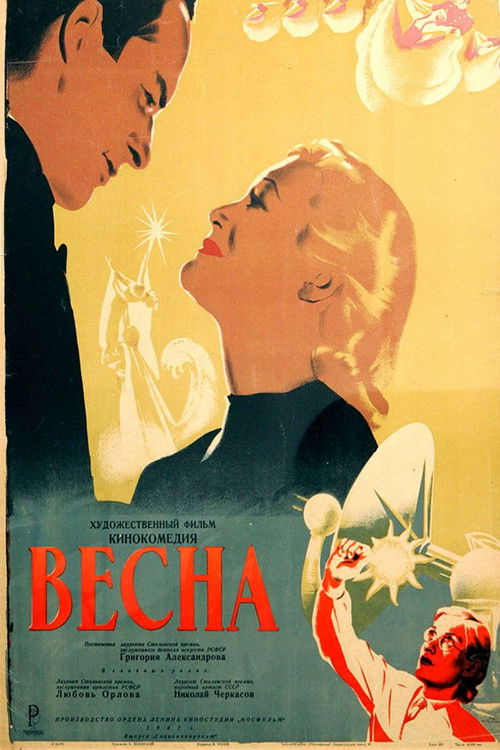
Spring 1947
Spring (1947) is a vibrant Soviet musical comedy-drama directed by Grigori Aleksandrov, blending romance and witty satire into a feel-good tale of mistaken identities and personal transformation.
Director: Grigori Aleksandrov
Cast
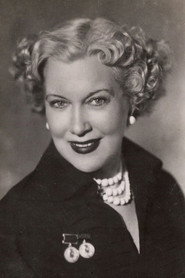
Lyubov Orlova
Prof. Irina Petrovna Nikitina / Vera Giorgievna Shatrova
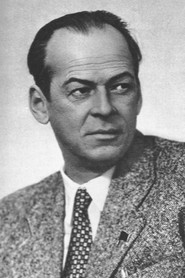
Nikolai Cherkasov
Arkadi Mikhailovich Gromov
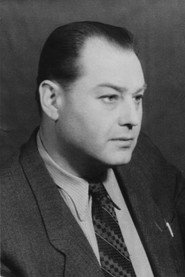
Mikhail Sidorkin
Viktor Roschin
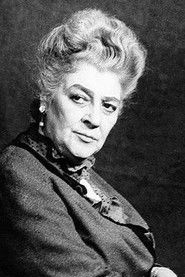
Faina Ranevskaya
Margarita Lvovna, housekeeper
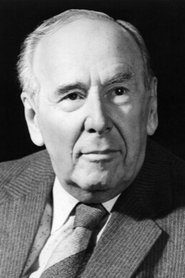
Rostislav Plyatt
Vladimir Ivanovich Bubentsov
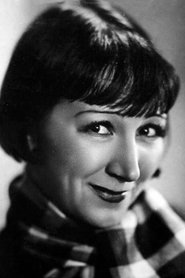
Rina Zelyonaya
Gabby Film Makeup Designer
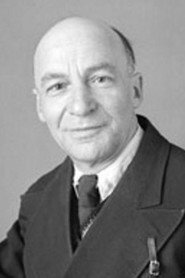
Nikolai Konovalov
Uncle Lionia Mukhin
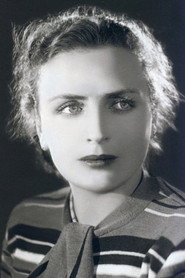
Garen Zhukovskaya
Operetta star
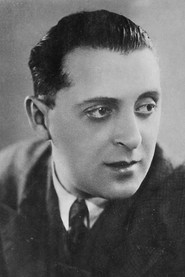
Boris Petker
Akakiy Abramovich
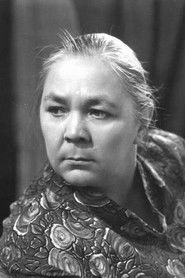
Valentina Telegina
Scientist
Frequently Asked Questions
What is Spring (1947) about?
Spring follows a shy scientist and a famous singer who swap identities after a film casting error. Their unexpected role reversal leads to professional triumphs, romantic connections, and personal growth against the vibrant backdrop of 1940s Soviet culture.
Who directed Spring?
Grigori Aleksandrov directed Spring (1947), known for his lively musical comedies that blended Soviet optimism with artistic innovation.
Who stars in Spring?
The film features Lyubov Orlova and Nikolai Cherkasov as the leading pair, alongside Mikhail Sidorkin, Faina Ranevskaya, and Rostislav Plyatt in key roles.
Is Spring (1947) worth watching?
With its lively musical numbers, witty plot, and heartfelt themes, Spring (1947) is a charming classic worth watching for fans of Soviet-era comedies. While not widely rated today, its cultural significance and entertainment value make it a worthwhile experience.
How long is Spring?
Spring (1947) has a runtime of 104 minutes, offering a concise yet engaging story packed with music and comedy.
About Spring (1947) — A Soviet Musical Comedy of Identity and Love
Spring (1947) is a vibrant Soviet musical comedy-drama directed by Grigori Aleksandrov, blending romance and witty satire into a feel-good tale of mistaken identities and personal transformation. The story follows two women—one a reserved solar energy scientist, the other a glamorous singer—who switch lives after a film casting mishap, leading to unexpected love stories, career breakthroughs, and heartfelt revelations. With rich musical numbers and sharp comedic timing, the film captures the spirit of post-war optimism while exploring themes of authenticity and self-discovery. Lyubov Orlova and Nikolai Cherkasov deliver charismatic performances that anchor the film's playful yet poignant narrative.
Set against a backdrop of artistic ambition and scientific curiosity, Spring radiates warmth and charm, making it a delightful escape into mid-century Soviet cinema. The film's seamless blend of humor, romance, and music creates an uplifting experience, perfect for fans of classic comedies with substance. Whether you're drawn to its dazzling performances, infectious energy, or clever plot twists, Spring (1947) remains a standout in Aleksandrov's filmography.