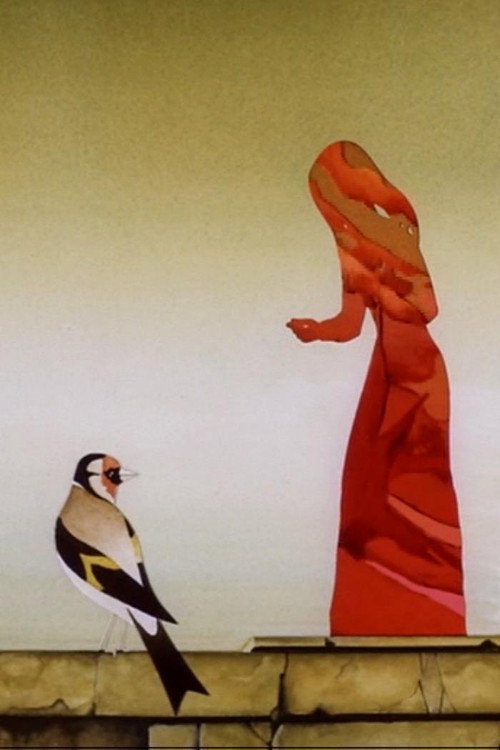
Come to the Clearing 1982
Péter Molnár's *Come to the Clearing* (1982) is a mesmerizing experimental animated short that unfolds like a dreamlike meditation on movement and stillness.
Director: Péter Molnár
Frequently Asked Questions
What is Come to the Clearing (1982) about?
*Come to the Clearing* is an abstract animated short that immerses viewers in a world of shifting shapes and colors, blending minimalist storytelling with experimental visuals. The film avoids conventional dialogue, instead relying on its hypnotic animation to evoke emotions and themes of isolation and rhythm.
Who directed Come to the Clearing?
Péter Molnár directed *Come to the Clearing* (1982), bringing an experimental vision to this animated short.
Who stars in Come to the Clearing?
Cast details for *Come to the Clearing* (1982) are not publicly listed.
Is Come to the Clearing (1982) worth watching?
While short in duration, *Come to the Clearing* stands out for its experimental approach and atmospheric visuals. It's a niche but rewarding watch for fans of avant-garde animation, offering a unique viewing experience that may appeal to those curious about abstract storytelling.
How long is Come to the Clearing?
*Come to the Clearing* (1982) has a runtime of 9 minutes.
About Come to the Clearing (1982) — Experimental Animation That Breaks the Mold
Péter Molnár's *Come to the Clearing* (1982) is a mesmerizing experimental animated short that unfolds like a dreamlike meditation on movement and stillness. Crafted with minimalist precision, this nine-minute film blends abstract visuals with subtle storytelling, inviting viewers into a world where shapes and colors evolve in hypnotic patterns. The absence of dialogue or conventional narrative allows the animation to speak for itself, creating an atmospheric experience that lingers long after the credits roll. Set against an ambiguous backdrop, the work explores themes of isolation, rhythm, and the boundaries between reality and abstraction.
While limited in runtime, *Come to the Clearing* packs an emotional punch through its evocative imagery and unconventional approach. The film's experimental nature makes it a standout in 1982 animation, appealing to fans of avant-garde cinema who appreciate works that challenge traditional storytelling. Its contemplative pace and striking visuals offer a unique viewing experience, perfect for those curious about the intersection of art and animation.