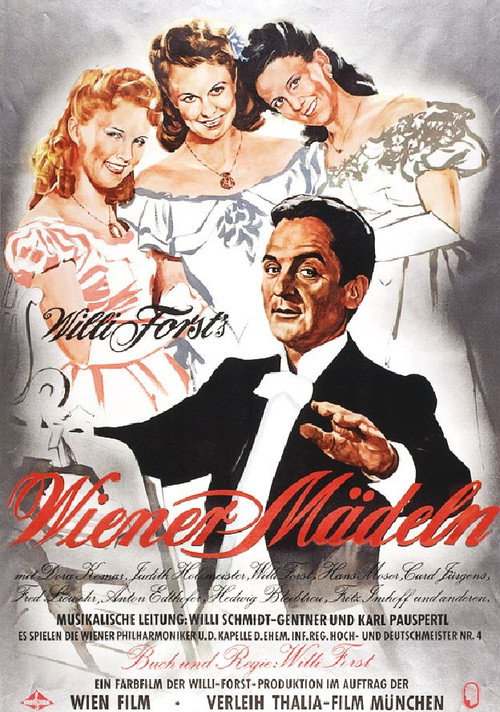
Viennese Girls 1949
Set against the backdrop of post-war Vienna, *Viennese Girls (1949)* weaves a poignant drama around the real-life struggles of composer Carl Michael Ziehrer.
Director: Willi Forst
Cast
Frequently Asked Questions
What is Viennese Girls (1949) about?
*Viennese Girls* follows the true story of composer Carl Michael Ziehrer, whose hypersensitivity in high-pressure moments once threatened to derail his career and love life. The film traces his emotional struggles and eventual triumph, set against the elegant yet wounded streets of post-war Vienna.
Who directed Viennese Girls?
The film was directed by Willi Forst, an Austrian actor, director, and producer known for his contributions to post-war cinema and musical dramas.
Who stars in Viennese Girls?
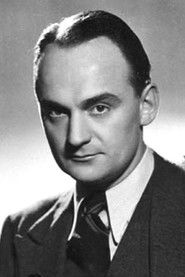
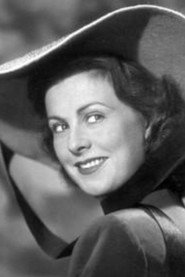
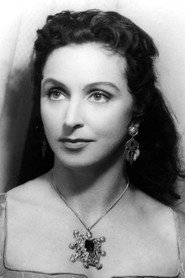
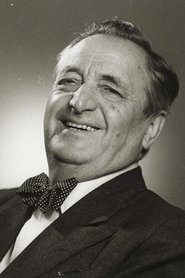
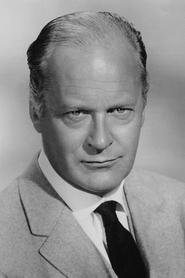
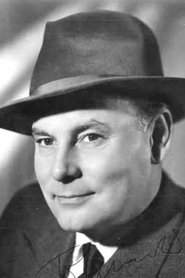
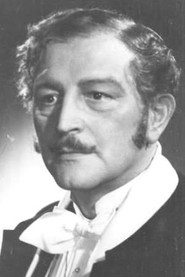
The cast features Willi Forst, Dora Komar, Judith Holzmeister, Hans Moser, and Curd Jürgens in key roles.
Is Viennese Girls (1949) worth watching?
While it remains unrated on IMDb, *Viennese Girls* offers a compelling blend of drama and music set in a fascinating historical moment. Fans of classic biopics and post-war European cinema may find its themes of artistic struggle deeply moving.
How long is Viennese Girls?
The runtime of *Viennese Girls* is 113 minutes.
About Viennese Girls (1949) — Post-war Vienna's musical drama of art and heartbreak
Set against the backdrop of post-war Vienna, *Viennese Girls (1949)* weaves a poignant drama around the real-life struggles of composer Carl Michael Ziehrer. Directed by Willi Forst, the film explores his journey to overcome crippling stage fright and emotional fragility that once derailed his career and romantic prospects. With a hauntingly beautiful score and a story steeped in historical melancholy, the movie blends music and drama to capture the soul of a city rebuilding itself. The atmosphere is one of quiet resilience, where passion and personal demons collide in equal measure.
Viennese Girls stands as a tribute to artistic perseverance, featuring a stellar cast including Willi Forst himself alongside Dora Komar and Judith Holzmeister. The film's themes of vulnerability and triumph resonate through its elegant cinematography and emotionally charged performances. A lesser-known gem in post-war cinema, it offers a glimpse into the complexities of 1940s Vienna, where art and life intertwine with bittersweet intensity.