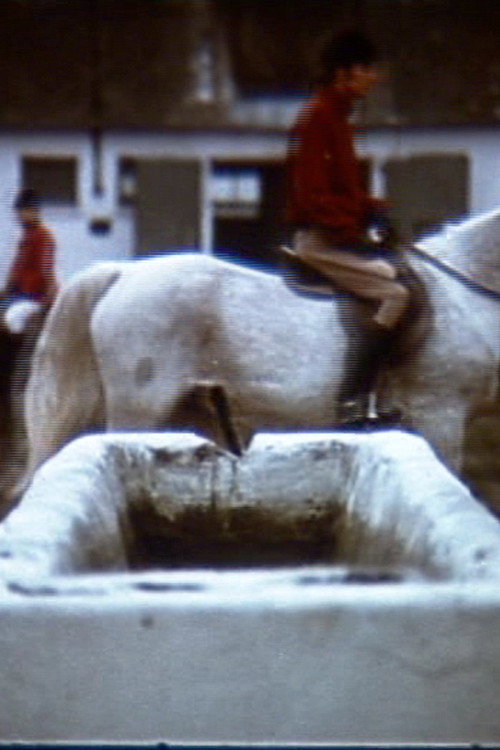
A Threnody For The Town Of Szydłów 1974
Bogdan Dziworski's *A Threnody For The Town Of Szydłów (1974)* is a poetic short documentary that captures the quiet soul of a once-thriving town reduced to a village in Poland's Kielce region.
Director: Bogdan Dziworski
Frequently Asked Questions
What is *A Threnody For The Town Of Szydłów (1974)* about?
This lyrical documentary portrays Szydłów, a once-bustling town now reduced to a village, through a contemplative lens. Director Bogdan Dziworski captures its fading charm and the echoes of its past, weaving a visual elegy about change and memory.
Who directed *A Threnody For The Town Of Szydłów*?
Bogdan Dziworski directed this short film, known for his poetic approach to documentary filmmaking.
Who stars in *A Threnody For The Town Of Szydłów*?
Cast details for this 1974 documentary are not listed.
Is *A Threnody For The Town Of Szydłów (1974)* worth watching?
As an understated yet evocative short documentary, it's a rewarding watch for fans of poetic cinema and historical reflection. Its brief runtime and artistic focus make it a hidden gem worth discovering.
How long is *A Threnody For The Town Of Szydłów*?
The film runs for 10 minutes.
About A Threnody For The Town Of Szydłów (1974) — A poetic short film capturing a town's quiet transformation
Bogdan Dziworski's *A Threnody For The Town Of Szydłów (1974)* is a poetic short documentary that captures the quiet soul of a once-thriving town reduced to a village in Poland's Kielce region. Through lyrical visuals and introspective framing, Dziworski explores the passage of time and the fading echoes of history in Szydłów, crafting a visual elegy that feels both personal and universal. The film serves as a meditative reflection on memory, transformation, and the fragile beauty of forgotten places.
This delicate portrait blends documentary realism with artistic sensitivity, offering viewers a rare glimpse into a locale that carries the weight of centuries. With a runtime of just ten minutes, *A Threnody For The Town Of Szydłów* proves that great cinema doesn't always need grand scale—sometimes, it's the intimate, thoughtful gaze that lingers longest.