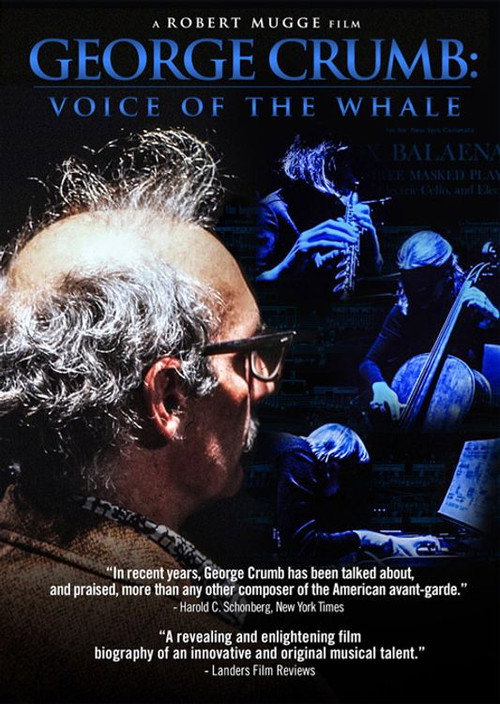
George Crumb: Voice of the Whale 1976
Dive into the mesmerizing world of Pulitzer Prize-winning composer George Crumb in this intimate 54-minute documentary, *George Crumb: Voice of the Whale* (1976).
Director: Robert Mugge
Cast
Frequently Asked Questions
What is *George Crumb: Voice of the Whale* (1976) about?
This documentary offers a deep dive into the life and artistry of Pulitzer Prize-winning composer George Crumb, centering on his experimental piece *Vox Balaenae for Three Masked Players*. The film explores how Crumb's music channels the mystical sounds of whales, blending avant-garde techniques with profound emotional resonance.
Who directed *George Crumb: Voice of the Whale*?
The film was directed by Robert Mugge, known for his work in capturing the essence of creative visionaries through documentary filmmaking.
Who stars in *George Crumb: Voice of the Whale*?
The documentary features Pulitzer Prize-winning composer George Crumb and music scholar Richard Wernick in key roles.
Is *George Crumb: Voice of the Whale* (1976) worth watching?
While the film is unrated, its thoughtful exploration of Crumb's avant-garde music and Mugge's evocative direction make it a compelling watch for fans of classical and experimental compositions. Its short runtime and focus on a singular artistic vision ensure it's both impactful and accessible.
How long is *George Crumb: Voice of the Whale*?
The runtime of *George Crumb: Voice of the Whale* is 54 minutes.
About George Crumb: Voice of the Whale (1976) — The Avant-Garde Composer and His Whale-Inspired Masterpiece
Dive into the mesmerizing world of Pulitzer Prize-winning composer George Crumb in this intimate 54-minute documentary, *George Crumb: Voice of the Whale* (1976). Directed by Robert Mugge, the film captures Crumb's avant-garde brilliance through a haunting performance of his iconic work *Vox Balaenae for Three Masked Players*, a piece inspired by the haunting songs of whales. The documentary blends striking visuals with Crumb's revolutionary approach to music, creating an atmosphere that feels both cerebral and deeply emotional. Mugge's lens peers into the composer's creative process, revealing the interplay between art and nature while immersing viewers in a soundscape that lingers long after the credits roll.
*George Crumb: Voice of the Whale* (1976) isn't just a biography—it's a sonic journey. Shot in black-and-white, the film contrasts the raw, experimental energy of Crumb's compositions with the quiet introspection of his life. The documentary thrives on its minimalist aesthetic, letting the music speak for itself while Mugge's direction ensures the focus remains on Crumb's groundbreaking contributions to 20th-century classical music. Whether you're a devoted fan of modern classical works or a curious newcomer, this film offers a rare glimpse into the mind of a visionary artist whose work continues to resonate with audiences today.