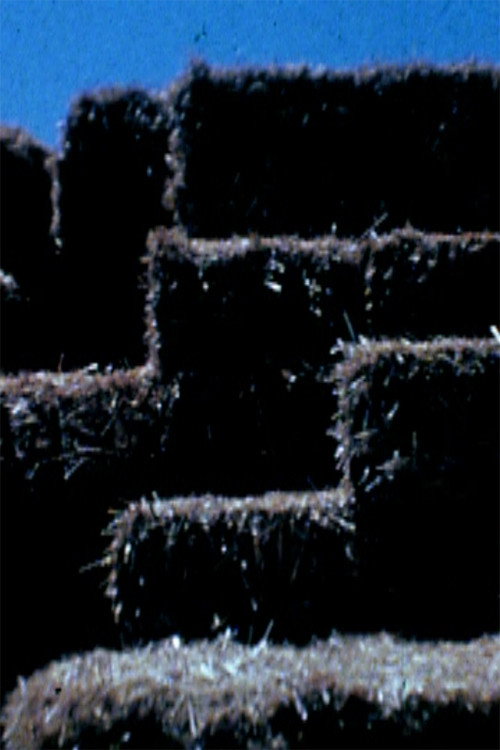
Hey! 1981
"Hey! (1981)" is a one-minute experimental short film crafted by director Dean Snider, offering a fleeting yet striking visual experience. This avant-garde piece stands out for its minimalist approach, condensing an entire cinematic statement into a single frame.
Director: Dean Snider
Frequently Asked Questions
What is Hey! (1981) about?
This experimental short by Dean Snider condenses its entire narrative into a single frame, leaving its meaning open to interpretation. The film's abstract style invites viewers to engage with visual storytelling rather than dialogue or plot.
Who directed Hey!?
Hey! was directed by Dean Snider, an experimental filmmaker known for pushing boundaries in short-form cinema.
Who stars in Hey!?
Cast details for this film are not publicly listed.
Is Hey! (1981) worth watching?
Given its experimental nature and minimal runtime, Hey! is best suited for fans of avant-garde cinema. Its value depends on how much you appreciate abstract, thought-provoking short films—it's a quick but memorable experience.
How long is Hey!?
Hey! has a runtime of approximately 1 minute.
About Hey! (1981) — A One-Minute Experimental Film by Dean Snider
"Hey! (1981)" is a one-minute experimental short film crafted by director Dean Snider, offering a fleeting yet striking visual experience. This avant-garde piece stands out for its minimalist approach, condensing an entire cinematic statement into a single frame. The film's abstract nature invites viewers to interpret its meaning, creating an enigmatic atmosphere that lingers long after the credits roll. Though sparse in runtime, its experimental style challenges conventional storytelling, making it a fascinating entry for fans of underground cinema. The absence of dialogue or complex narrative allows the visual and thematic elements to take center stage, evoking curiosity and contemplation.
As a time capsule of early 1980s experimental filmmaking, "Hey! (1981)" captures the raw, unfiltered creativity of its era. The film's brevity contrasts sharply with its ambition, leaving audiences to question its purpose—whether it's a statement, a joke, or simply a bold artistic experiment. Dean Snider's vision here is a testament to the power of simplicity in cinema, proving that less can indeed be more.