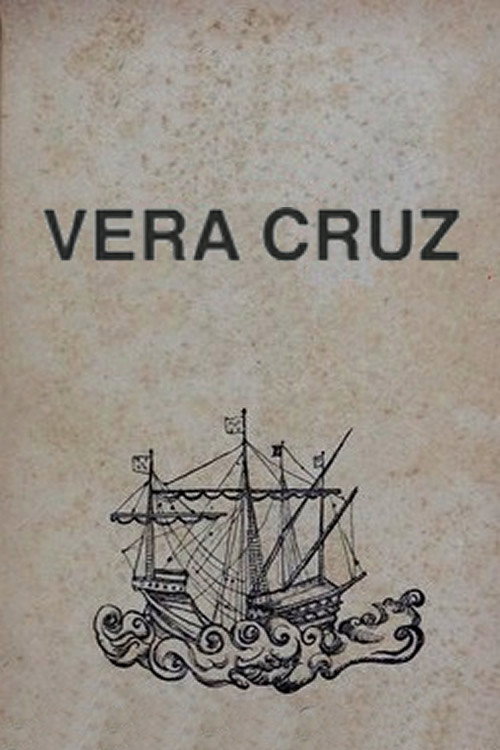
Vera Cruz 2000
Vera Cruz (2000) is an avant-garde visual essay by Rosângela Rennó that reimagines the colonial encounter through the fractured lens of time.
Director: Rosângela Rennó
Frequently Asked Questions
What is Vera Cruz (2000) about?
Vera Cruz (2000) explores the impossibility of documenting Brazil's discovery by reinterpreting Pero Vaz de Caminha's 1500 letter through fragmented, archival footage. The film blurs the line between history and fiction, using deteriorated visuals to question how colonial narratives are constructed and preserved over time.
Who directed Vera Cruz?
Rosângela Rennó directed Vera Cruz (2000), bringing her signature experimental approach to this visual essay on history and representation.
Who stars in Vera Cruz?
Cast details for Vera Cruz (2000) are not listed, as the film is an experimental project focused on archival imagery rather than traditional performances.
Is Vera Cruz (2000) worth watching?
Vera Cruz (2000) is a niche but thought-provoking film best suited for fans of experimental cinema and historical deconstructions. Its abstract style may not appeal to everyone, but it offers a unique perspective on colonial narratives and the fragility of memory.
How long is Vera Cruz?
Vera Cruz (2000) has a runtime of 44 minutes.
About Vera Cruz (2000) — Experimental film reimagines Brazil's colonial past through decayed archives
Vera Cruz (2000) is an avant-garde visual essay by Rosângela Rennó that reimagines the colonial encounter through the fractured lens of time. The film deconstructs Pero Vaz de Caminha's infamous 1500 letter, Brazil's earliest known document, into a haunting meditation on the fragility of historical memory. Using only decayed, archival footage and stripped-down audio, Rennó crafts a hypnotic dialogue between past and present, where the scratches and stains of history become the film's language. The result is neither pure documentary nor fiction, but a liminal space where every frame hums with the weight of five centuries of misinterpretation.
Shot in stark black and white, Vera Cruz (2000) pulses with a quiet intensity, its visual poetry resisting easy interpretation. The absence of clear sound and the fragmentary nature of the images force viewers to confront the gaps in our understanding of colonization—gaps that cinema itself cannot fully bridge. It's a work that lingers in the mind, challenging audiences to question how stories are told, preserved, and ultimately lost.