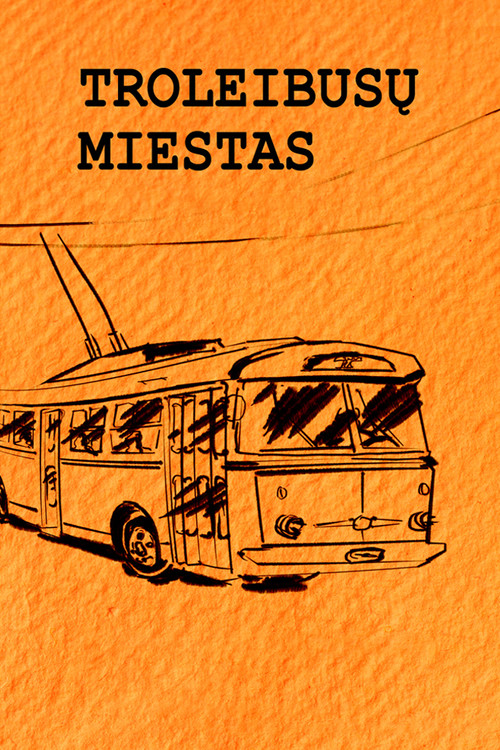
Trolleybus City 2002
In the quiet streets of Vilnius, the 2002 documentary *Trolleybus City* takes an intimate look behind the scenes of public transport, focusing on the daily interactions between ticket inspectors and passengers who dodge fares.
Director: Giedrė Beinoriūtė
Frequently Asked Questions
What is *Trolleybus City* (2002) about?
*Trolleybus City* follows Vilnius's ticket inspectors as they confront fare-evading passengers, uncovering layers of daily life and societal pressures. The film blends observational documentary style with themes of routine, unmet goals, and the quiet struggles of ordinary people. It's less about the act of ticket-checking and more about the human stories woven into city transit.
Who directed *Trolleybus City*?
The film was directed by Giedrė Beinoriūtė, a Lithuanian filmmaker known for her nuanced storytelling and focus on urban life and social dynamics.
Who stars in *Trolleybus City*?
The documentary centers on Vilnius public transport ticket inspectors and the passengers they encounter, with no prominent actors listed.
Is *Trolleybus City* (2002) worth watching?
As a 28-minute documentary, *Trolleybus City* offers a compelling snapshot of urban life, ideal for fans of short, character-driven films. While it lacks an IMDb rating, its themes of routine and aspiration resonate with viewers who appreciate understated, realistic storytelling.
How long is *Trolleybus City*?
The runtime of *Trolleybus City* is 28 minutes.
Trolleybus City (2002): A Glimpse Inside Vilnius Transit — Full Movie Info
In the quiet streets of Vilnius, the 2002 documentary *Trolleybus City* takes an intimate look behind the scenes of public transport, focusing on the daily interactions between ticket inspectors and passengers who dodge fares. Directed by Giedrė Beinoriūtė, this short film paints a vivid portrait of routine life, where unspoken tensions and fleeting connections reveal deeper truths about aspirations, struggles, and the search for meaning in the mundane. As the inspectors navigate their rounds, the film subtly mirrors the broader societal push and pull between rules and rebellion, dreams and reality.
The 28-minute documentary thrives on realism, capturing the raw energy of city life and the quiet desperation of those chasing a better existence. Beinoriūtė's lens doesn't just document—it invites viewers to reflect on their own routines, unfulfilled ambitions, and the small rebellions that define everyday existence. A thought-provoking exploration for fans of character-driven cinema and urban storytelling.