Five Centuries Later 1991
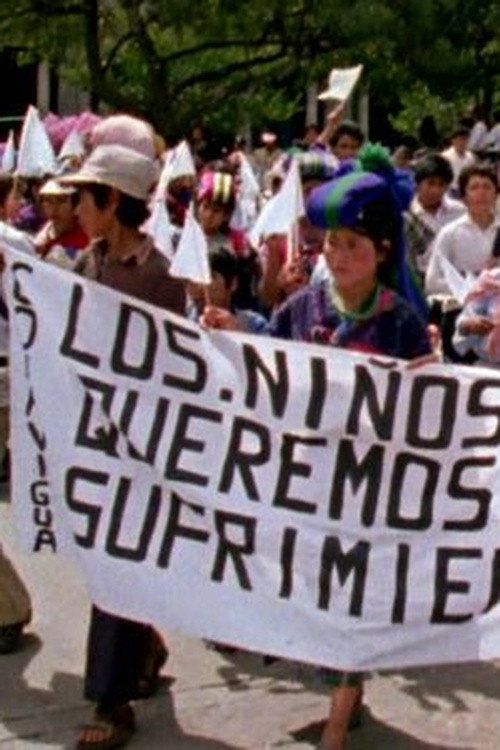
Directed by Germán Gutiérrez, *Five Centuries Later* (1991) is a powerful documentary that travels to Guatemala and Bolivia to explore the lingering shadows of colonialism.
Director: Germán Gutiérrez
Frequently Asked Questions
What is *Five Centuries Later* (1991) about?
This documentary examines how Indigenous communities in Guatemala and Bolivia grapple with the legacy of colonialism centuries after its devastating impact. Through personal stories, it questions their collective future amid lingering trauma and cultural endurance.
Who directed *Five Centuries Later*?
Germán Gutiérrez is the director of *Five Centuries Later* (1991), helming a film that blends historical reflection with modern Indigenous voices.
Who stars in *Five Centuries Later*?
The documentary features Indigenous leaders and community members from Guatemala and Bolivia, whose stories form the heart of the narrative.
Is *Five Centuries Later* (1991) worth watching?
*Five Centuries Later* offers a sobering yet vital perspective on colonialism's enduring effects. While not a mainstream title, its documentary depth and thematic urgency make it compelling for those interested in Indigenous rights and post-colonial studies.
How long is *Five Centuries Later*?
The runtime of *Five Centuries Later* is 53 minutes.
About Five Centuries Later (1991) — A documentary on Indigenous resilience 500 years after colonialism
Directed by Germán Gutiérrez, *Five Centuries Later* (1991) is a powerful documentary that travels to Guatemala and Bolivia to explore the lingering shadows of colonialism. A half-millennium after European contact brought devastation, Indigenous communities confront questions of identity, survival, and the uncertain path forward. Through intimate interviews and evocative visuals, the film captures a raw, reflective atmosphere—one where past injustices intersect with the present struggle for dignity. Gutiérrez crafts a poignant meditation on cultural resilience and the unanswered call of justice.
This 53-minute documentary doesn't just recount history; it listens to the voices of those still navigating its consequences. By centering Indigenous perspectives, the film transforms academic debate into urgent, human storytelling. The mood is both somber and hopeful, reflecting the tenacity of cultures fighting to reclaim their future without erasing the weight of their past.