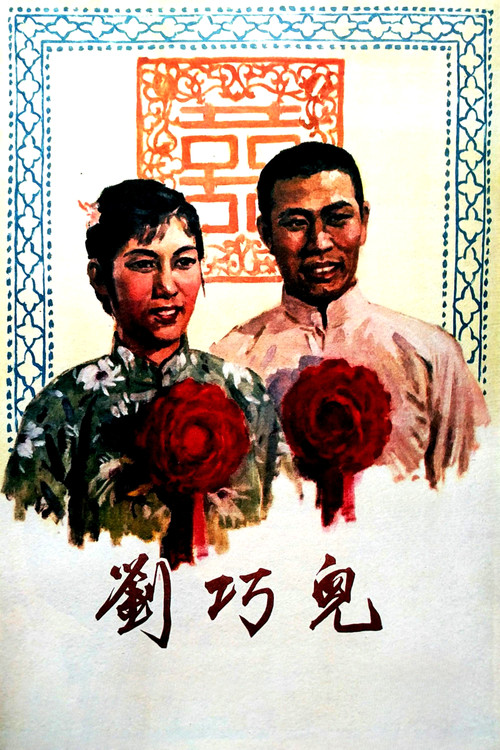
刘巧儿 1956
Step back into 1950s China with 刘巧儿 (1956), a vibrant musical that blends cultural tradition with modern storytelling.
Director: Lin Yi
Cast
Frequently Asked Questions
What is 刘巧儿 (1956) about?
刘巧儿 follows the spirited journey of a young woman in 1950s China who defies convention to find love on her own terms. Through vibrant songs and lively storytelling, the film explores her struggle between fulfilling family expectations and pursuing personal happiness.
Who directed 刘巧儿?
Director Lin Yi helmed 刘巧儿, crafting a musical that blends cultural depth with cinematic charm.
Who stars in 刘巧儿?
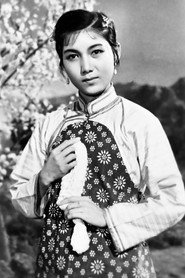
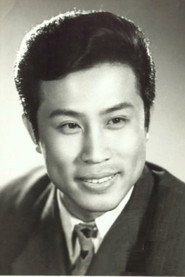
The film features 新凤霞 as the lead, supported by Zhang Defu, Song Changwen, and Zhao Lirong in pivotal roles.
Is 刘巧儿 (1956) worth watching?
With its rich musical heritage and timeless themes, 刘巧儿 is a must-see for fans of classic cinema. While its unrated status means expectations should remain balanced, its cultural significance and engaging performances make it a rewarding watch.
How long is 刘巧儿?
Runtime details are not listed for 刘巧儿 (1956).
About 刘巧儿 (1956) — Classic Chinese Musical with Iconic Performances
Step back into 1950s China with 刘巧儿 (1956), a vibrant musical that blends cultural tradition with modern storytelling. Directed by Lin Yi, this classic film stars the legendary 新凤霞 in the title role, bringing to life the tale of a clever young woman navigating love and societal expectations. With its catchy melodies and heartfelt performances, the movie captures the spirit of post-war optimism while exploring themes of marriage, duty, and personal agency. The atmospheric score and expressive choreography create a visual symphony that transports viewers to a bygone era of revolutionary zeal and artistic innovation.
刘巧儿 stands as a testament to the enduring power of musical cinema, showcasing how music can elevate a narrative beyond mere entertainment. Lin Yi's direction infuses the film with warmth and authenticity, while the ensemble cast—including Zhang Defu and Zhao Lirong—delivers performances that resonate with both humor and sincerity. Whether you're a fan of classic cinema or exploring Chinese film history, this 1956 gem offers a rare glimpse into the cultural heartbeat of its time.