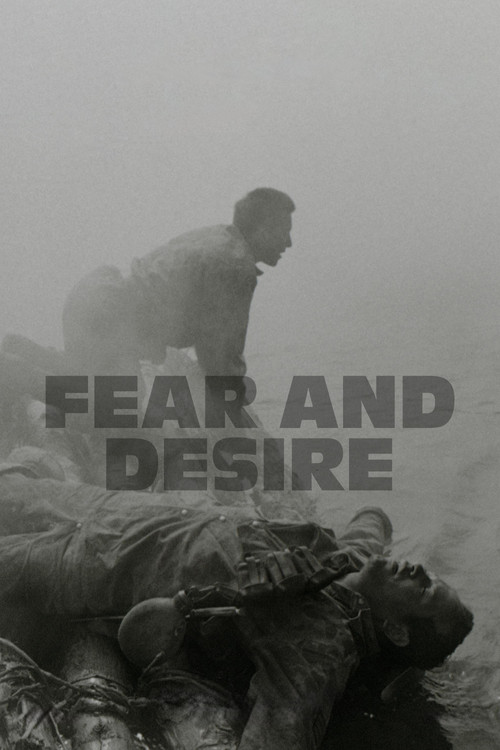
Fear and Desire 1953
"Trapped… 4 desperate men and a strange half-animal girl!"
Stanley Kubrick's striking debut feature, *Fear and Desire (1953)*, plunges viewers into a harrowing wartime survival story set far behind enemy lines.
Director: Stanley Kubrick
Cast
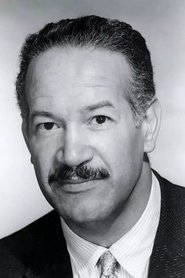
Frank Silvera
Mac
Kenneth Harp
Lt. Corby / The General

Paul Mazursky
Sidney
Stephen Coit
Fletcher / The Captain

Virginia Leith
The Girl
David Allen
Narrator (voice)
Frequently Asked Questions
What is Fear and Desire (1953) about?
The film follows four stranded soldiers who must battle both the unforgiving wilderness and the psychological strain of isolation after their plane crashes behind enemy lines. Their fragile humanity is tested when they encounter a local girl, exposing the brutal realities of war.
Who directed Fear and Desire?
Stanley Kubrick directed this intense war drama, marking one of his earliest cinematic works before his rise to legendary status.
Who stars in Fear and Desire?
The film features Frank Silvera, Kenneth Harp, Paul Mazursky, and Virginia Leith leading the cast.
Is Fear and Desire (1953) worth watching?
Though it's a low-budget debut, *Fear and Desire* offers a gripping and atmospheric take on war's psychological toll. Its themes and Kubrick's direction make it a compelling watch for fans of classic cinema and wartime dramas.
How long is Fear and Desire?
The film runs for 62 minutes.
🎥 Trailer
Fear and Desire (1953): Kubrick's Early War Drama — Full Movie Info
Stanley Kubrick's striking debut feature, *Fear and Desire (1953)*, plunges viewers into a harrowing wartime survival story set far behind enemy lines. After their plane crashes in an uncharted territory, four soldiers find themselves cut off from their battalion with no clear path to safety. Survival becomes a brutal test of will as they navigate unfamiliar terrain and the psychological toll of isolation. When they encounter a mysterious local girl, the film shifts from physical danger to the darker depths of human instinct, exposing the raw, unsettling edges of war.
With a runtime of just over an hour, Kubrick crafts a tense and atmospheric thriller that blends drama and psychological horror. The stark black-and-white cinematography amplifies the starkness of the soldiers' predicament, while themes of fear, moral ambiguity, and the dehumanizing effects of war linger long after the credits roll.