Bli-Blip 1942
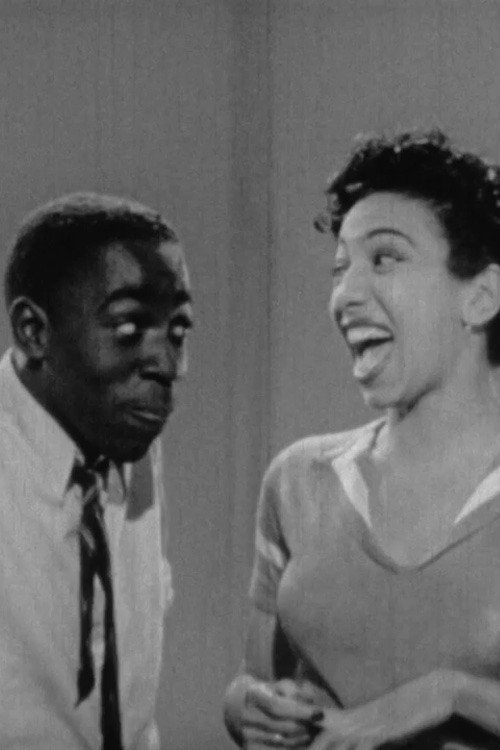
Bli-Blip (1942) captures a vibrant musical moment from the golden era of swing, featuring legendary bandleader Duke Ellington and His Orchestra performing the titular composition.
Director: Josef Berne
Cast
Frequently Asked Questions
What is Bli-Blip (1942) about?
Bli-Blip (1942) is a short musical film featuring Duke Ellington and His Orchestra performing the song 'Bli-Blip' with vocalists Marie Bryant and Paul White. The film focuses entirely on this musical performance, showcasing the band's signature swing style during the early 1940s.
Who directed Bli-Blip?
Josef Berne directed Bli-Blip (1942). Berne was known for his work in musical shorts during Hollywood's golden age.
Who stars in Bli-Blip?
The film stars Duke Ellington and His Orchestra, featuring vocal performances by Marie Bryant and Paul White.
Is Bli-Blip (1942) worth watching?
For jazz enthusiasts and fans of Duke Ellington, Bli-Blip (1942) offers a fascinating glimpse into the master's early 1940s orchestra. While unrated and brief at just 3 minutes, it provides historical value for those interested in swing era performances.
How long is Bli-Blip?
Bli-Blip runs for 3 minutes.
About Bli-Blip (1942) — Ellington's Jazz Performance Classic
Bli-Blip (1942) captures a vibrant musical moment from the golden era of swing, featuring legendary bandleader Duke Ellington and His Orchestra performing the titular composition. Directed by Josef Berne, this brief but memorable film showcases vocalist Marie Bryant alongside Paul White, creating an intimate showcase of mid-century jazz artistry. The three-minute musical short immerses viewers in the rich textures of Ellington's orchestral arrangements, highlighting the sophisticated interplay between brass, reeds, and rhythm section that defined the big band sound.
Though concise in runtime, Bli-Blip (1942) serves as a valuable historical document, preserving the energy and precision of Ellington's ensemble during World War II. The film's black-and-white cinematography emphasizes the musicians' focused expressions and dynamic performances, while the intimate setting allows audiences to appreciate the intricate musical conversations taking place. This rare musical short offers both casual listeners and jazz enthusiasts a window into an influential period of American music history.