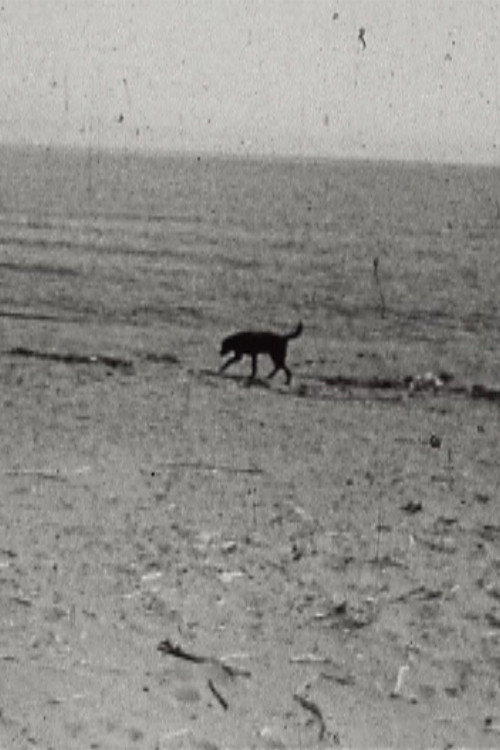
Zebo 1982
Zebo (1982) stands as a fleeting yet intriguing artifact of experimental cinema, crafted by director Dean Snider as a one-minute 16mm short film.
Director: Dean Snider
Frequently Asked Questions
What is Zebo (1982) about?
Zebo is a one-minute 16mm experimental short film that defies traditional storytelling. Its abstract visuals and unconventional techniques invite viewers to interpret fleeting imagery rather than follow a clear narrative. The film thrives on minimalism, using brevity to evoke themes of time, perception, or artistic expression.
Who directed Zebo?
Zebo was directed by Dean Snider, an independent filmmaker known for his contributions to experimental cinema in the 1980s.
Who stars in Zebo?
Cast details for Zebo (1982) are not publicly listed.
Is Zebo (1982) worth watching?
Given its experimental nature and brevity, Zebo is more of a niche interest for fans of avant-garde cinema. While it may not appeal to mainstream audiences, it offers a unique glimpse into 1980s experimental filmmaking and is worth exploring for those curious about the genre.
How long is Zebo?
Zebo (1982) has a runtime of 1 minute.
About Zebo (1982) — Dean Snider's One-Minute Experimental Masterpiece
Zebo (1982) stands as a fleeting yet intriguing artifact of experimental cinema, crafted by director Dean Snider as a one-minute 16mm short film. Emerging from the avant-garde movement, this cinematic microcosm challenges conventional storytelling, immersing viewers in abstract visuals and unconventional techniques that push the boundaries of perception. The film's atmosphere is charged with a raw, experimental energy, inviting audiences to interpret its fleeting imagery rather than follow a linear narrative. Despite its brevity, Zebo encapsulates the spirit of 1980s experimental filmmaking, where minimalism and abstraction often spoke louder than dialogue or traditional plot structures.
While details about the cast remain elusive, Zebo's legacy lies in its technical and artistic boldness. Dean Snider, though less recognized in mainstream cinema, carved a niche in experimental circles, and his work here reflects the era's fascination with pushing cinematic conventions to their limits. The film's themes are open to interpretation—whether exploring time, memory, or pure visual rhythm—but its lasting impact is undeniable for enthusiasts of underground cinema. For those curious about the roots of experimental film, Zebo (1982) offers a fascinating glimpse into a world where less is often more.