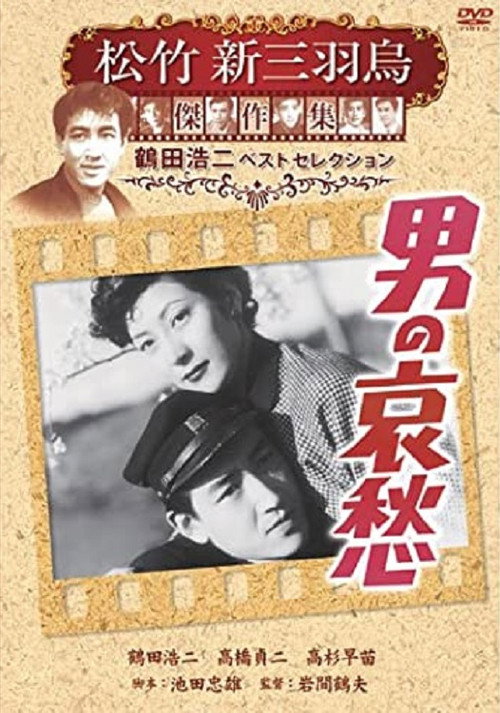
男の哀愁 1951
Set in a post-war Japan, 男の哀愁 (1951) is a poignant drama that explores the complexities of the human condition. Directed by Tsuruo Iwama, this film delves into the struggles of the male protagonist, played by Koji Tsuruta, as he navigates the challenges of rebuilding his life.
Director: Tsuruo Iwama
Cast






Frequently Asked Questions
What is 男の哀愁 (1951) about?
The film explores the complexities of the human condition in post-war Japan, following the struggles of a male protagonist as he rebuilds his life.
Who directed 男の哀愁?
The film was directed by Tsuruo Iwama, a talented Japanese filmmaker.
Who stars in 男の哀愁?
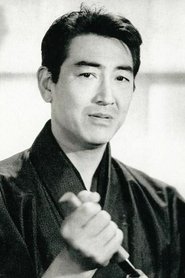
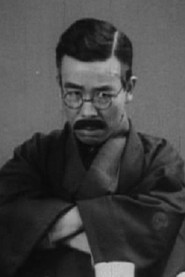
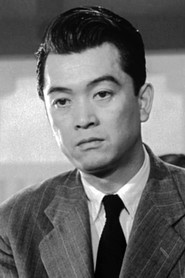
The movie features a talented ensemble cast, including Koji Tsuruta, Teiji Takahashi, Sanae Takasugi, and Reikichi Kawamura.
Is 男の哀愁 (1951) worth watching?
While the IMDb rating is not available, the film's thought-provoking storyline and powerful performances make it a worthwhile watch for fans of Japanese cinema.
How long is 男の哀愁?
The film has a runtime of 87 minutes.
About 男の哀愁 (1951) — A Poignant Drama of Resilience and Hope
Set in a post-war Japan, 男の哀愁 (1951) is a poignant drama that explores the complexities of the human condition. Directed by Tsuruo Iwama, this film delves into the struggles of the male protagonist, played by Koji Tsuruta, as he navigates the challenges of rebuilding his life. With a runtime of 87 minutes, 男の哀愁 is a thought-provoking and emotionally charged cinematic experience that offers a glimpse into the nation's turbulent past.
The film features a talented ensemble cast, including Teiji Takahashi, Sanae Takasugi, and Reikichi Kawamura. While the genre is unknown, the themes of resilience and hope are palpable throughout the movie. As a piece of Japanese cinema, 男の哀愁 is a significant work that sheds light on the country's history and culture.
Featuring a mix of drama and social commentary, 男の哀愁 is a film that will resonate with audiences seeking a deeper understanding of post-war Japan. With its powerful performances and thought-provoking storyline, this movie is a must-watch for anyone interested in Japanese cinema.