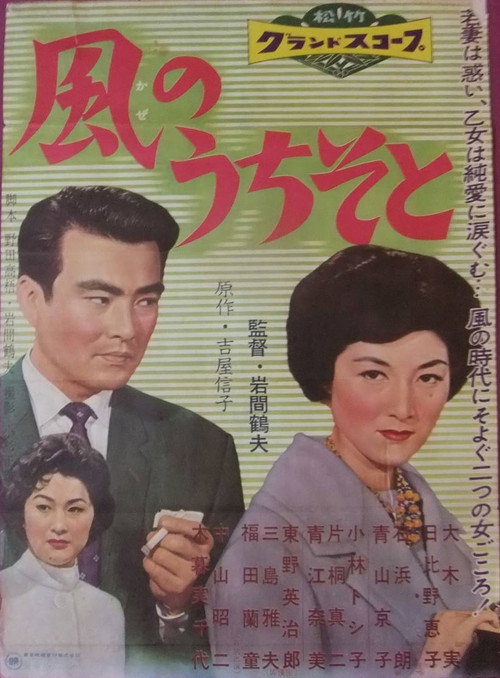
Kaze no uchi so to 1959
Set against the windswept landscapes of post-war Japan, *Kaze no uchi so to* (1959) unfolds as a poignant drama directed by Tsuruo Iwama. The film centers on the struggles of ordinary people navigating love, loss, and resilience in a rapidly changing society.
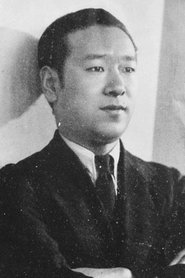
Director: Tsuruo Iwama
Cast



Frequently Asked Questions
What is Kaze no uchi so to (1959) about?
The film follows a group of individuals in post-war Japan as they confront the harsh realities of life, love, and displacement. Their stories intertwine against a backdrop of societal upheaval, revealing the strength found in unexpected connections.
Who directed Kaze no uchi so to?
Tsuruo Iwama directed the film, bringing a sensitive touch to the portrayal of human struggles and resilience.
Who stars in Kaze no uchi so to?
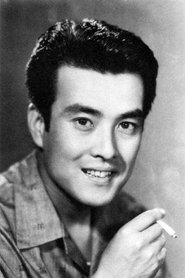
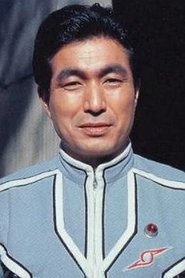
The film features a talented cast including Masao Mishima, Keiko Hibino, Shinji Katagiri, Minoru Ōki, and Akira Ishihama.
Is Kaze no uchi so to (1959) worth watching?
As a classic drama from 1959, it offers a rare glimpse into post-war Japan with emotional depth and authenticity. Fans of character-driven narratives will find it rewarding, though its pacing may feel deliberate to modern audiences.
How long is Kaze no uchi so to?
The film runs for 97 minutes, offering a concise yet immersive cinematic experience.
About Kaze no uchi so to (1959) — A Melancholic Drama of Love and Resilience in Post-War Japan
Set against the windswept landscapes of post-war Japan, *Kaze no uchi so to* (1959) unfolds as a poignant drama directed by Tsuruo Iwama. The film centers on the struggles of ordinary people navigating love, loss, and resilience in a rapidly changing society. Through its melancholic tone and intimate storytelling, it captures the quiet strength of those left behind by progress. The rustic setting mirrors the inner turmoil of the characters, creating an atmosphere thick with emotional weight and understated hope. Iwama's masterful direction elevates the narrative beyond mere social commentary, weaving a tale that lingers long after the credits roll.
Starring Masao Mishima, Keiko Hibino, and Shinji Katagiri, the ensemble cast breathes life into a story that feels both timeless and deeply personal. The drama's themes of endurance and the search for meaning resonate powerfully, making it a standout in the genre. Whether you're a fan of classic cinema or drawn to stories of human resilience, *Kaze no uchi so to* offers a moving experience that's both visually striking and emotionally rich.