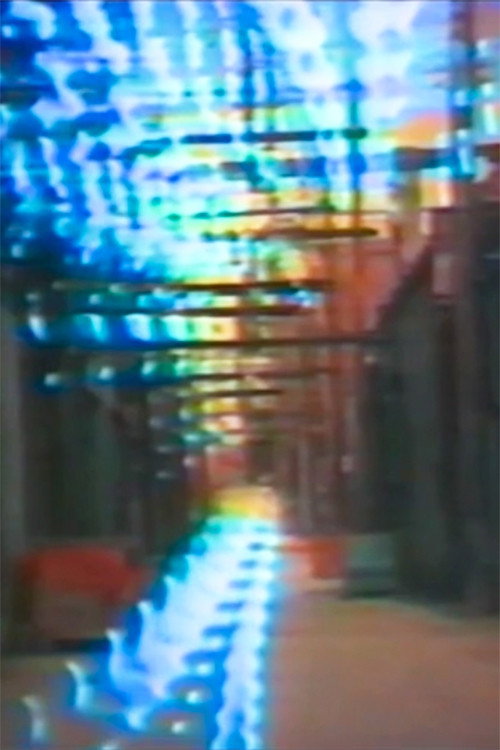
Time Zone 1981
Pierre Rovere's experimental short film Time Zone (1981) weaves a mesmerizing soundscape from roadside recordings along the Alaska and TransCanada Highways, stitching together fleeting images and sounds as travelers move from one time zone to another.
Director: Pierre Rovere
Frequently Asked Questions
What is Time Zone (1981) about?
Pierre Rovere's short film captures the essence of travel between time zones through a collage of sounds, images, and ambiance recorded on the Alaska and TransCanada Highways. It's less a story and more a sensory journey that reflects on how space and time shape our perception.
Who directed Time Zone?
Time Zone was directed by Pierre Rovere, an artist known for his experimental approach to filmmaking and immersive sound design.
Who stars in Time Zone?
The film features no traditional cast, as it relies on found footage, ambient recordings, and landscape imagery.
Is Time Zone (1981) worth watching?
Since Time Zone is an obscure experimental short, expectations should align with avant-garde cinema rather than mainstream entertainment. Those drawn to atmospheric, meditative films will find its minimalist structure intriguing, though general audiences may find it challenging. With no IMDb rating, its appeal hinges on personal taste in artistic expression.
How long is Time Zone?
Time Zone has a runtime of 19 minutes.
About Time Zone (1981) — Experimental Short Film Exploring Time and Space
Pierre Rovere's experimental short film Time Zone (1981) weaves a mesmerizing soundscape from roadside recordings along the Alaska and TransCanada Highways, stitching together fleeting images and sounds as travelers move from one time zone to another. Blending found footage with layered audio cues, the 19-minute piece invites audiences to ponder how space, time, and perception blur when boundaries dissolve. The film's stripped-down approach turns the journey into a meditative experience, where the rhythm of the road becomes both soundtrack and narrative.
Without a traditional plot, Time Zone thrives on atmosphere, using the vast Canadian landscape as a canvas for its contemplative exploration of connectivity and isolation. The interplay of still photographs, ambient noise, and fleeting clips creates a hypnotic collage that lingers long after the credits roll. For fans of avant-garde cinema, it's a rare glimpse into how sensory and spatial disorientation can mirror the passage of time itself.