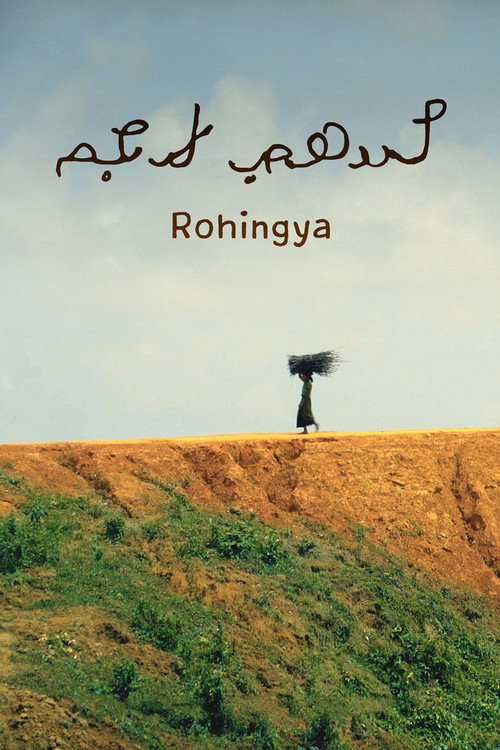
Rohingya 2022
Acclaimed filmmaker Ai Weiwei turns his lens on one of modern history's most harrowing humanitarian crises in Rohingya (2022), a powerful documentary that immerses viewers in the lives of Myanmar's Muslim minority.
Director: Ai Weiwei
Frequently Asked Questions
What is Rohingya (2022) about?
This documentary explores the plight of the Rohingya, a persecuted Muslim minority from Myanmar who fled mass violence in 2017. Filmmaker Ai Weiwei documents their lives in Cox's Bazar, Bangladesh, where over a million now live in overcrowded refugee camps. It's a deeply human story of loss, endurance, and the fragile threads of hope that remain.
Who directed Rohingya?
Rohingya was directed by Ai Weiwei, the internationally renowned Chinese artist and filmmaker known for his socially conscious documentaries.
Who stars in Rohingya?
As a documentary, Rohingya (2022) features real-life survivors and refugees from the Rohingya community, their stories central to the film's narrative.
Is Rohingya (2022) worth watching?
Though unrated on IMDb, Rohingya is a profound and visually striking documentary that demands attention. It's not an easy watch but offers a rare, immersive perspective on one of the world's most urgent humanitarian stories. Ideal for viewers who appreciate humanistic, politically engaged cinema with emotional depth.
How long is Rohingya?
Rohingya runs for 122 minutes, offering a sweeping yet intimate exploration of its subject.
About Rohingya (2022) — Ai Weiwei's Defiant Visual Elegy of Survival and Displacement
Acclaimed filmmaker Ai Weiwei turns his lens on one of modern history's most harrowing humanitarian crises in Rohingya (2022), a powerful documentary that immerses viewers in the lives of Myanmar's Muslim minority. Through months spent in Cox's Bazar, where over a million Rohingya refugees have sought shelter, this visually poetic film captures the enduring pain and resilience of a people who fled brutal ethnic cleansing. The camera lingers on faces etched with loss, on makeshift homes pressed against endless rainy horizons, and on stories of survival that echo with quiet defiance. With gentle observation and unflinching honesty, Ai Weiwei crafts a meditation on displacement, identity, and the fragile hope that lingers even in exile.
Rohingya (2022) is less a call to outrage than a quiet invitation to witness—to stand in the shoes of those who have been erased from their homeland and redefined by the world's neglect. The film's observational style invites reflection, its poetic rhythm contrasting with the raw trauma it portrays. As the camera moves through overcrowded camps and listens to voices rarely heard, it becomes clear that this story is not just about escape, but about what it means to carry a past while building an uncertain future.