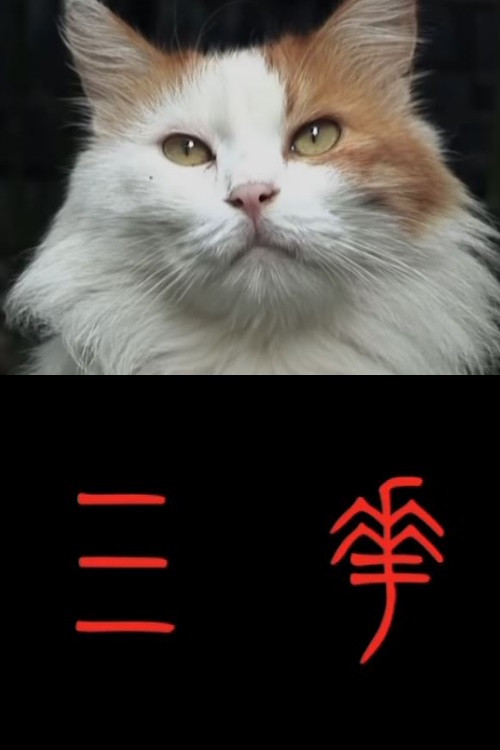
Sanhua 2010
Renowned Chinese artist and activist Ai Weiwei turns his lens on the controversial cat-trading industry in the sharp, eye-opening documentary Sanhua (2010).
Director: Ai Weiwei
Frequently Asked Questions
What is Sanhua (2010) about?
Sanhua peels back the layers of China's cat-trading industry, revealing the complex journey from supplier to plate. The film captures the ethical storm that erupted when the government began drafting the Animal Protection Act in late 2009, forcing a national conversation about cultural practices and animal welfare.
Who directed Sanhua?
The documentary was directed by Ai Weiwei, the influential Chinese contemporary artist, activist, and filmmaker known for his bold social critiques.
Who stars in Sanhua?
Director information for the cast is not available.
Is Sanhua (2010) worth watching?
While Sanhua (2010) doesn't carry an IMDb rating, its significance lies in its unflinching look at a rarely discussed industry. As a documentary that challenges societal norms and ethical boundaries, it's a compelling watch for anyone interested in animal rights, cultural debates, or investigative filmmaking.
How long is Sanhua?
The film runs for 68 minutes.
Sanhua (2010): Ai Weiwei's Documentary on the Cat Trade — Full Film Info
Renowned Chinese artist and activist Ai Weiwei turns his lens on the controversial cat-trading industry in the sharp, eye-opening documentary Sanhua (2010). Over 68 minutes, the film pulls back the curtain on a hidden supply chain that ends in bowls and plates, sparking fierce public debate across China. As government discussions around the Animal Protection Act heated up at the end of 2009, opinions polarized—some defend the practice as tradition, others condemn it as cruelty, revealing deeper tensions about cultural identity and ethical responsibility.
Sanhua (2010) doesn't just present facts; it immerses viewers in a tense, morally charged atmosphere where every stakeholder—traders, activists, consumers—has a voice. The documentary challenges assumptions, asking whether tradition should shield practices that many now find inhumane. With a tone that is both investigative and reflective, Ai Weiwei crafts a work that lingers long after the final scene, urging society to confront uncomfortable truths.