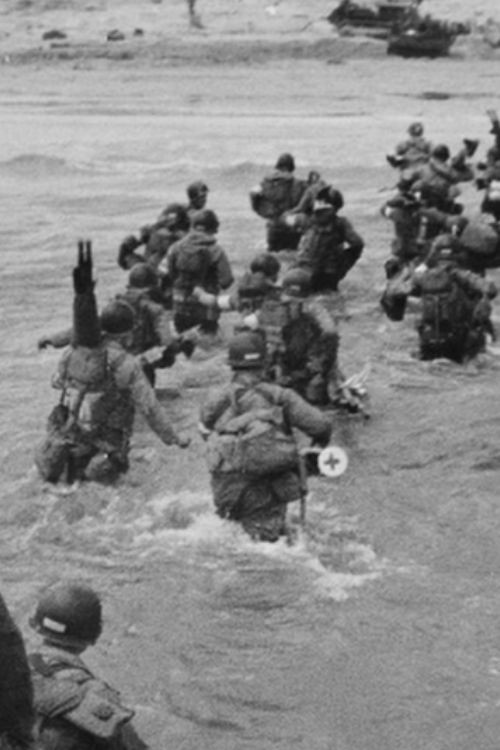
Invasion - Nazi Version 1944
Shot in 1944 by the U.S. Navy's Industrial Incentive Division with help from the OSS, Invasion - Nazi Version is a meticulously translated wartime German newsreel that flips the D-Day narrative on its head.
Frequently Asked Questions
What is Invasion - Nazi Version (1944) about?
This 16-minute documentary offers a rare, translated glimpse of the Normandy invasion as seen through German newsreel footage. Originally produced by the U.S. Navy and OSS, it repurposes authentic Axis material to educate American war workers and troops about enemy tactics and propaganda styles.
Who directed Invasion - Nazi Version?
Director information is not available, but the film was commissioned by the U.S. Navy's Industrial Incentive Division and the Office of Strategic Services (OSS).
Who stars in Invasion - Nazi Version?
No credited actors appear, as the film relies entirely on archival German footage and narration.
Is Invasion - Nazi Version (1944) worth watching?
Even without a rating, its historical value is undeniable—this is raw wartime footage repurposed by American filmmakers to expose enemy perspectives. War documentary enthusiasts and WWII buffs will appreciate its authenticity and rarity, though its brevity and lack of context may limit broader appeal.
How long is Invasion - Nazi Version?
The runtime is 16 minutes.
About Invasion - Nazi Version (1944) — Rare 1944 Nazi newsreel repurposed by U.S. wartime filmmakers
Shot in 1944 by the U.S. Navy's Industrial Incentive Division with help from the OSS, Invasion - Nazi Version is a meticulously translated wartime German newsreel that flips the D-Day narrative on its head. Instead of Allied eyes, audiences see Operation Overlord through the lens of the Wehrmacht—complete with real enemy footage used by Frank Capra in his groundbreaking "Why We Fight" series. The black-and-white documentary strips away propaganda to expose the Axis perspective, giving 21st-century viewers a chilling glimpse of how the enemy itself documented history's largest amphibious assault.
Presented as a gritty historical artifact, the 16-minute short balances raw combat footage with stark narration, capturing the tension and confusion of June 6, 1944. While credits are sparse, its origins within America's wartime information machine underscore its significance: a captured enemy's own record turned against them to rally the home front and demystify the enemy's tactics.