The Way We See It 1969
In 1969, groundbreaking documentary *The Way We See It* captured a raw, transformative moment in New York City, where filmmaker Ed Pincus and producer David Neuman teamed up with Public Television to shine a light on a bold initiative.
Director: Ed Pincus
Frequently Asked Questions
What is *The Way We See It* (1969) about?
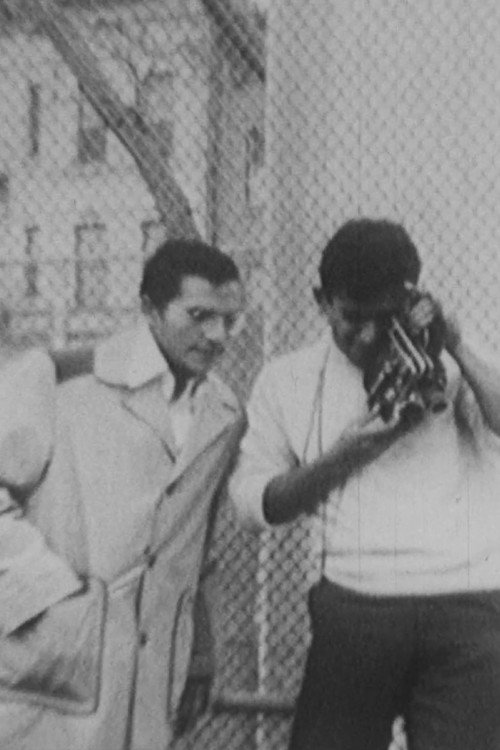
*The Way We See It* follows a Public Television-backed initiative where disadvantaged kids on New York's Lower East Side were given cameras to create their own films. The documentary showcases their perspectives, capturing the raw energy and social dynamics of a community often ignored by mainstream media.
Who directed *The Way We See It*?
The film was directed by Ed Pincus, a pioneering documentarian known for his innovative and socially conscious approach to filmmaking.
Who stars in *The Way We See It*?
The film features the young filmmakers and community participants from the Lower East Side, whose footage forms the heart of the documentary.
Is *The Way We See It* (1969) worth watching?
As a historical artifact, *The Way We See It* offers a fascinating look at grassroots filmmaking and social change during a transformative era. While it's not rated and lacks mainstream recognition, its cultural significance and unique perspective make it a compelling watch for documentary enthusiasts and students of film history.
How long is *The Way We See It*?
The runtime for *The Way We See It* is 59 minutes.
About The Way We See It (1969) — A Revolutionary 1960s Documentary on Youth and Social Change
In 1969, groundbreaking documentary *The Way We See It* captured a raw, transformative moment in New York City, where filmmaker Ed Pincus and producer David Neuman teamed up with Public Television to shine a light on a bold initiative. On the gritty Lower East Side, underprivileged youth were handed cameras and given free rein to document their lives through film—a revolutionary act of creative empowerment that blurred the lines between filmmaker and subject. The resulting footage offers an unfiltered, empathetic glimpse into the dreams, struggles, and perspectives of a generation often overlooked by mainstream media. Shot in the late 60s, the documentary pulses with the energy of a cultural shift, blending observational intimacy with a sense of urgent social purpose.
Rooted in the Spanglish neighborhoods of Manhattan, *The Way We See It (1969)* is less a traditional film and more a cinematic time capsule, preserving the voices of underserved communities at a pivotal cultural crossroads. Pincus and Neuman's approach eschews narration, letting the young filmmakers' footage speak for itself—a bold choice that challenges audiences to see the world through fresh, unfiltered eyes. The film's grainy aesthetic and candid storytelling create an immersive experience that feels as relevant today as it did over half a century ago, asking fundamental questions about representation, access, and who gets to tell their story on screen.