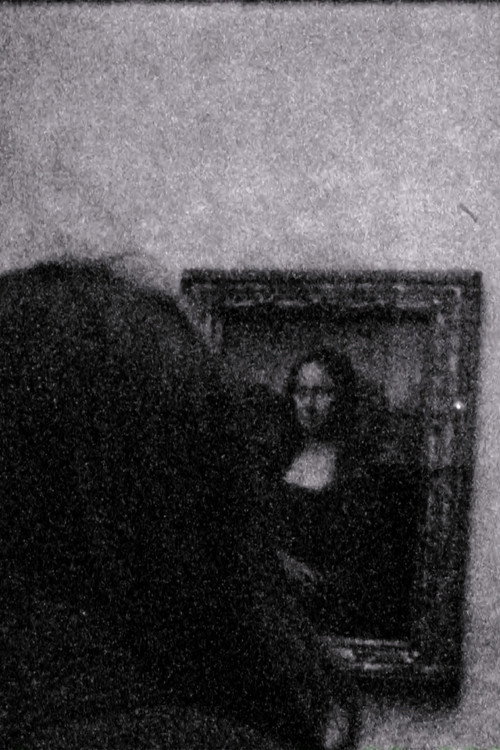
Mona Lisa (I) 2000
Helga Fanderl's *Mona Lisa (I)* (2000) is a mesmerizing black-and-white Super 8 documentary that strips filmmaking down to its most intimate, unfiltered essence.
Director: Helga Fanderl
Frequently Asked Questions
What is Mona Lisa (I) (2000) about?
*Mona Lisa (I)* is a hypnotic black-and-white Super 8 documentary that explores fleeting moments through an experimental lens. The film frames everyday scenes with a painterly touch, blending reality and abstraction in a meditative journey. Rather than telling a story, it evokes emotion through texture, light, and movement.
Who directed Mona Lisa (I)?
The film was directed by Helga Fanderl, an artist known for her innovative work with analog film formats.
Who stars in Mona Lisa (I)?
The documentary does not feature traditional actors; instead, it captures unnamed subjects and environments through the director's lens.
Is Mona Lisa (I) (2000) worth watching?
*Mona Lisa (I)* is a niche but captivating choice for fans of experimental or documentary films. Its black-and-white aesthetics and atmospheric style offer a unique viewing experience, though it may not appeal to those seeking conventional storytelling. The film's brevity and artistic ambition make it worth a watch for adventurous audiences.
How long is Mona Lisa (I)?
Runtime details are not listed for this film.
About Mona Lisa (I) (2000) — A Super 8 Documentary Masterpiece in Black & White
Helga Fanderl's *Mona Lisa (I)* (2000) is a mesmerizing black-and-white Super 8 documentary that strips filmmaking down to its most intimate, unfiltered essence. Shot on analog film, this experimental work transforms fleeting moments into haunting visual poetry, where everyday scenes glow with a raw, nostalgic charm. The absence of color amplifies textures and contrasts, inviting viewers into a meditative space where time itself feels both frozen and fluid.
Director Fanderl's vision leans into the meditative power of Super 8, a format synonymous with home movies and personal archives. Though the cast is unnamed, the film's focus is never on individuals but on the interplay of light, shadow, and motion—moments that flicker between reality and abstraction. The documentary's quiet intensity lingers, leaving audiences to ponder the unseen stories behind the frames. For lovers of avant-garde cinema, *Mona Lisa (I)* is a rare gem that rewards patience with a deeply atmospheric experience.