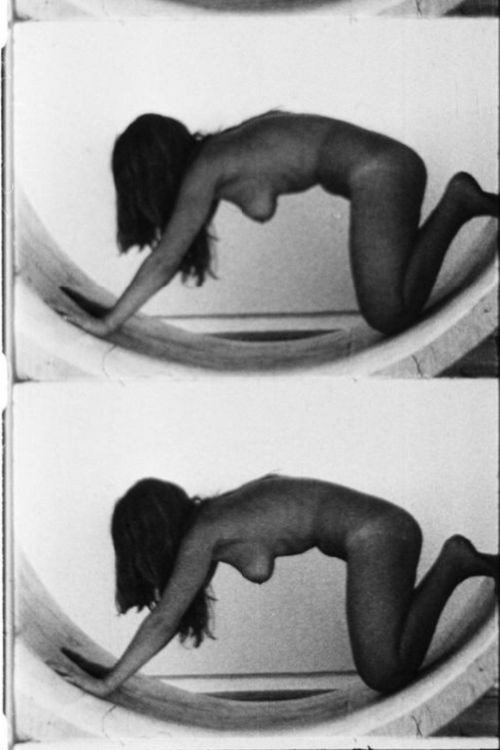
Neo-classic 1971
Robert Morris' *Neo-classic (1971)* is a compact cinematic experiment running just 14 minutes, but its influence lingers like a haunting melody.
Director: Robert Morris
Frequently Asked Questions
What is Neo-classic (1971) about?
*Neo-classic* is a short experimental film that explores the interplay between structure and abstraction, using minimal dialogue and striking visuals to evoke emotion and thought. It strips storytelling down to its essence, leaving interpretation largely to the viewer. The film's brevity belies its ambition, as it invites audiences to engage with cinema on a more cerebral level.
Who directed Neo-classic?
Director information is not available.
Who stars in Neo-classic?
Cast details for *Neo-classic* are not publicly listed.
Is Neo-classic (1971) worth watching?
While *Neo-classic* may not appeal to those seeking traditional narratives, its experimental nature and Morris' visionary approach make it a standout piece for fans of avant-garde cinema. Its concise runtime and bold artistic choices offer a unique viewing experience that rewards curiosity. Whether it's worth your time depends on your appetite for abstract, thought-provoking filmmaking.
How long is Neo-classic?
The film runs for 14 minutes.
About Neo-classic (1971) — A 14-Minute Cinematic Masterpiece by Robert Morris
Robert Morris' *Neo-classic (1971)* is a compact cinematic experiment running just 14 minutes, but its influence lingers like a haunting melody. Blending avant-garde techniques with a stripped-down narrative, the film probes the boundaries between structure and spontaneity, inviting viewers into a world where traditional storytelling dissolves into raw visual poetry. The atmosphere is cerebral yet immersive, with Morris crafting a minimalist canvas that challenges conventional expectations of film as an art form. Though intentionally enigmatic, *Neo-classic* radiates a quiet confidence, leaving audiences to decipher its layers long after the credits roll.
This short film belongs to a fascinating era when filmmakers pushed the medium into uncharted territory, experimenting with form, rhythm, and abstraction. The director's precise control over composition and sound design creates a hypnotic tension, balancing control with serendipity. It's a snapshot of 1970s artistic daring—brief, bold, and utterly unforgettable, even if its specific genre and themes remain open to interpretation. For cinephiles and curious minds alike, *Neo-classic (1971)* offers a glimpse into the bold, boundary-blurring spirit of its time.