Léonce et Toto 1913
This playful 1913 French short comedy from visionary filmmaker Léonce Perret centers on Léonce, a man driven to distraction by his wife's new obsession—a tiny chihuahua.
Director: Léonce Perret
Cast

Frequently Asked Questions
What is Léonce et Toto (1913) about?
This charming 1913 comedy follows Léonce as he battles his wife's over-the-top adoration for her new chihuahua. His attempts to oust the tiny intruder escalate into a series of comic misadventures, blending early cinema's physical comedy with sharp domestic satire.
Who directed Léonce et Toto?
The film was directed by Léonce Perret, a pioneering French actor, director, and screenwriter whose career spanned silent and early sound eras. Known for his comedic flair, Perret crafted visual gags that remain delightfully effective a century later.
Who stars in Léonce et Toto?
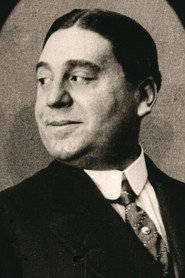
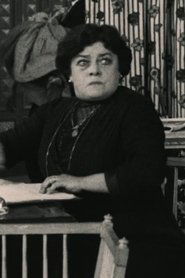
The short features Léonce Perret himself in the lead role, joined by André Luguet and Marie Dorly, who bring the household dynamics to life with playful energy.
Is Léonce et Toto (1913) worth watching?
Absolutely—for fans of silent-era comedy or anyone who enjoys a quick, witty diversion. Its 9-minute runtime packs in plenty of laughs, and Perret's clever direction makes it a standout entry in early French cinema. While it may not have the polish of later talkies, its charm is undeniable.
How long is Léonce et Toto?
The film runs 9 minutes in length.
Léonce et Toto (1913): A Classic Comedy Short Full of Wild Schemes — Full Movie Info
This playful 1913 French short comedy from visionary filmmaker Léonce Perret centers on Léonce, a man driven to distraction by his wife's new obsession—a tiny chihuahua. What begins as harmless affection quickly escalates into a domestic battlefield as Léonce unleashes increasingly creative (and hilarious) schemes to banish the pampered pup from the dinner table and his life.
Set against the backdrop of early 20th-century Parisian bourgeois life, *Léonce et Toto (1913)* sparkles with mischievous charm and gentle satire, poking fun at marital power struggles and the absurd lengths people go to reclaim their space. With its brisk nine-minute runtime and sharp comedic timing, Perret crafts a delightful snapshot of wit and whimsy that remains as entertaining today as it was over a century ago.