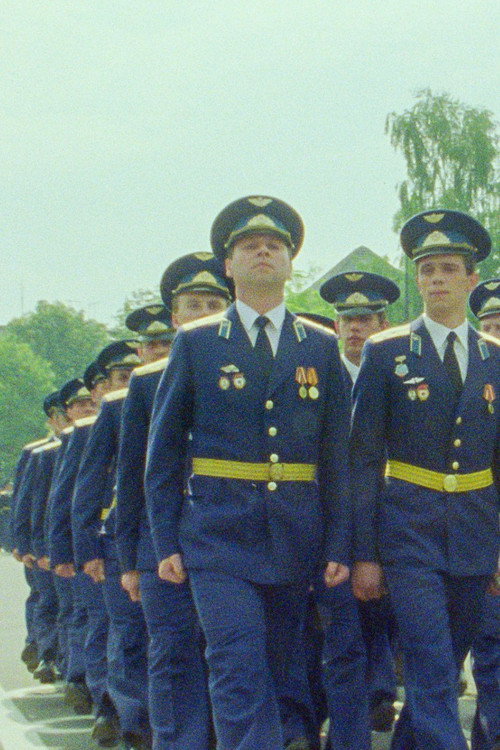
Soviets, go home! 1990
Delve into the final chapter of a tense occupation in this raw 1990 documentary, *Soviets, go home!*, directed by Andrzej Soroczyński.
Director: Andrzej Soroczyński
Frequently Asked Questions
What is *Soviets, go home! (1990)* about?
This documentary follows the residents of Brzeg as they grapple with the final days of Soviet soldiers stationed in their town since World War II. With palpable urgency, they call for the soldiers' departure and demand reparations for decades of suffering.
Who directed *Soviets, go home! (1990)*?
The film was directed by Andrzej Soroczyński, whose work here brings a sharp, unflinching focus to the social and political upheaval of the era.
Who stars in *Soviets, go home! (1990)*?
Director information is not available.
Is *Soviets, go home! (1990)* worth watching?
As a historical document, it's a compelling watch for those interested in post-war Europe, occupation legacies, or documentary filmmaking. Its brevity and raw authenticity make it a niche but impactful experience.
How long is *Soviets, go home! (1990)*?
The runtime is listed as 23 minutes.
About Soviets, go home! (1990) — A Defiant Town's Last Stand Against Soviet Occupation
Delve into the final chapter of a tense occupation in this raw 1990 documentary, *Soviets, go home!*, directed by Andrzej Soroczyński. Set in Brzeg, the film captures the raw emotions of residents as they confront the last days of Soviet soldiers stationed in their town since 1945. Through candid interviews, the documentary reveals the community's deep yearning for liberation and justice, with locals demanding compensation for decades of hardship. The atmosphere is charged with a mix of urgency and relief, as the citizens' voices echo through the ruins of barracks and cobblestone streets, painting a poignant portrait of a town reclaiming its identity.
*Soviets, go home!* isn't just a historical record; it's a testament to resilience and the power of collective memory. Soroczyński's lens captures the unspoken tensions between duty and desire, framed by the stark reality of a community finally shaking off foreign control. Shot in 1990, the film stands as a pivotal document of change, blending personal stories with broader themes of decolonization and restitution.