The World is Not Bad, but Full 1994
Dive into the thought-provoking 1994 short film *The World is Not Bad, but Full*, a compelling dialogue between acclaimed director Alexander Kluge and legendary playwright Heiner Müller.
Director: Alexander Kluge
Cast
Frequently Asked Questions
What is *The World is Not Bad, but Full* (1994) about?
Alexander Kluge's 1994 short film is a deep dive into the balance between the living and the dead, framed through personal and historical lenses. It examines how myths, power, and generational ties—like the story of Agamemnon or Müller's own family—shape our understanding of unavoidable forces in life.
Who directed *The World is Not Bad, but Full*?
Alexander Kluge, a pioneering German filmmaker and author known for his avant-garde storytelling and intellectual rigor.
Who stars in *The World is Not Bad, but Full*?
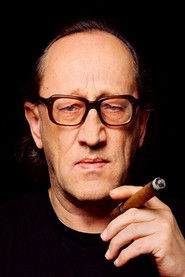
The film features German playwright Heiner Müller in a central role, alongside Alexander Kluge as the interviewer.
Is *The World is Not Bad, but Full* (1994) worth watching?
For fans of cerebral, dialogue-driven cinema, it's a fascinating 24-minute experience that rewards attentive viewers. While niche, its exploration of myth, politics, and human frailty makes it a standout among experimental shorts from the 1990s.
How long is *The World is Not Bad, but Full*?
The runtime is 24 minutes.
About The World is Not Bad, but Full (1994) — Kluge & Müller's provocative short film on existence
Dive into the thought-provoking 1994 short film *The World is Not Bad, but Full*, a compelling dialogue between acclaimed director Alexander Kluge and legendary playwright Heiner Müller. This 24-minute cinematic meditation explores the delicate equilibrium between life and death, weaving together myth, history, and personal narrative. Müller and Kluge dissect timeless themes like the enduring tension between generations, the illusions of post-Cold War capitalism, and the cyclical nature of violence across eras—from ancient myths to modern realities. With a cerebral yet intimate atmosphere, the film challenges viewers to reflect on how the past shapes the present.
Rejecting simplistic narratives, *The World is Not Bad, but Full* thrives on ambiguity and intellectual curiosity. The stark black-and-white aesthetic mirrors its unflinching gaze at humanity's contradictions, blending poetic musings with sharp political commentary. Whether you're drawn to experimental cinema or philosophical inquiry, this understated masterpiece offers a rare opportunity to engage with two towering figures of 20th-century thought in a format as concise as it is profound.