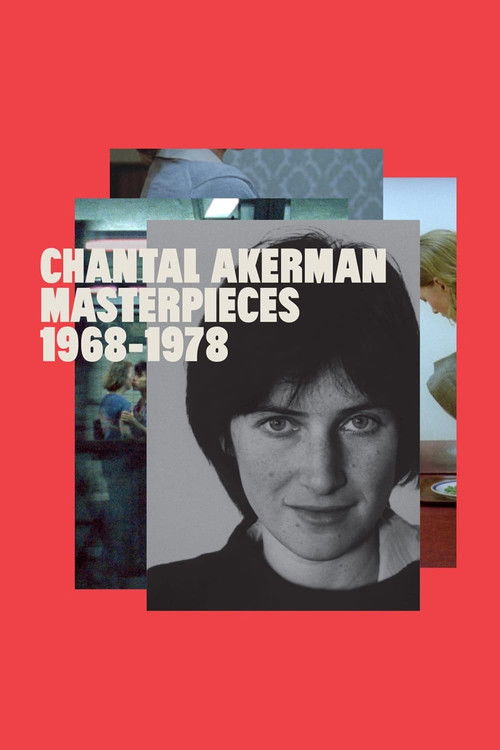
Knokke: une petite fiction 1967
Crafted as her second Super 8 experiment, Chantal Akerman's *Knokke: une petite fiction* (1967) captures a fleeting, intimate moment in Knokke, shot on the fly as a creative audition piece for INSAS.
Director: Chantal Akerman
Cast
Frequently Asked Questions
What is *Knokke: une petite fiction* (1967) about?
Chantal Akerman's early Super 8 film is a brief, atmospheric snapshot set in Knokke, capturing a moment of everyday life as part of her audition for INSAS. The short blends family imagery with experimental technique, creating a dreamlike study of space and light.
Who directed *Knokke: une petite fiction*?
The film was directed by Chantal Akerman, the visionary Belgian filmmaker whose later works like *Jeanne Dielman* would redefine feminist cinema.
Who stars in *Knokke: une petite fiction*?
The film features Marilyn Watelet in the lead role, anchoring the short with her presence.
Is *Knokke: une petite fiction* (1967) worth watching?
At just two minutes, this experimental short offers a rare peek into Akerman's formative style, making it essential for fans of her later work. Its abstract, poetic approach may not appeal to everyone, but it rewards viewers seeking early glimpses of a cinematic master.
How long is *Knokke: une petite fiction*?
The runtime is approximately 2 minutes.
About Knokke: une petite fiction (1967) — Chantal Akerman's raw, poetic Super 8 short
Crafted as her second Super 8 experiment, Chantal Akerman's *Knokke: une petite fiction* (1967) captures a fleeting, intimate moment in Knokke, shot on the fly as a creative audition piece for INSAS. This two-minute black-and-white short pulses with the raw immediacy of early experimental film, blending family moments with the director's signature gaze toward everyday life. The hazy seaside atmosphere and sparse, poetic framing transform a simple snapshot into a quiet meditation on light, memory, and the boundaries between reality and fiction.
Though brief, the film offers a fascinating glimpse into Akerman's developing visual language—one that would later blossom in landmark works like *Jeanne Dielman, 23, quai du Commerce, 1080 Bruxelles*. Marilyn Watelet's presence grounds the piece in a sense of authenticity, grounding the viewer in a world both ordinary and mysteriously profound. It's less a traditional narrative and more a visual tone poem, inviting reflection on how even the smallest stories can resonate when framed with intention.