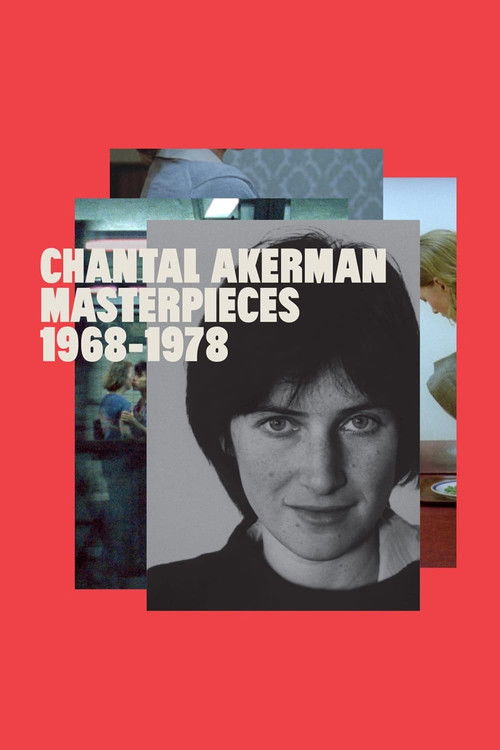
Knokke: une petite fiction 2 1967
Chantal Akerman's experimental short *Knokke: une petite fiction 2* (1967) is a fleeting yet intimate Super 8 film crafted during the director's early years at INSAS.
Director: Chantal Akerman
Cast

Frequently Asked Questions
What is Knokke: une petite fiction 2 (1967) about?
This two-minute Super 8 short follows Chantal Akerman as she documents her friends, her mother, and herself in Knokke, experimenting with storytelling for her INSAS admission. The film feels like a personal diary entry, blending family bonds with the director's early cinematic explorations.
Who directed Knokke: une petite fiction 2?
Chantal Akerman directed *Knokke: une petite fiction 2*. The film marked one of her earliest attempts to merge personal expression with the conventions of short-form cinema.
Who stars in Knokke: une petite fiction 2?
The cast includes Chantal Akerman, her mother Natalia Akerman, and Marilyn Watelet, all of whom contribute to the film's intimate, documentary-like tone.
Is Knokke: une petite fiction 2 (1967) worth watching?
As a historical artifact of Akerman's early work, *Knokke: une petite fiction 2* offers a fascinating window into her artistic evolution. For cinephiles and fans of experimental film, its brevity and rawness make it a compelling watch—despite its minimal runtime.
How long is Knokke: une petite fiction 2?
The runtime of *Knokke: une petite fiction 2* is approximately 2 minutes.
About Knokke: une petite fiction 2 (1967) — A fleeting Super 8 experiment by Chantal Akerman
Chantal Akerman's experimental short *Knokke: une petite fiction 2* (1967) is a fleeting yet intimate Super 8 film crafted during the director's early years at INSAS. Stark and poetic, this black-and-white vignette captures the quiet moments of everyday life in Knokke, weaving together Akerman's personal lens with the faces of her loved ones—her mother and friends. At just two minutes long, the film feels like a candid snapshot of raw, unfiltered emotion, blending family dynamics with the textures of youthful rebellion. Its stripped-down aesthetic and offbeat charm evoke a sense of discovery, both for the filmmaker and her audience, as Akerman experiments with form and narrative in ways that would later define her groundbreaking oeuvre.
The atmosphere of *Knokke: une petite fiction 2* is raw and unpolished, mirroring the DIY ethos of 1960s avant-garde cinema. While fleeting, the film pulses with quiet intensity, hinting at themes of identity, connection, and the blurred lines between reality and fiction. For fans of Akerman's most iconic works like *Jeanne Dielman, 23, quai du Commerce, 1080 Bruxelles*, this early short offers a fascinating glimpse into the roots of her cinematic voice—one that thrives on spontaneity, authenticity, and the unspoken stories between frames.