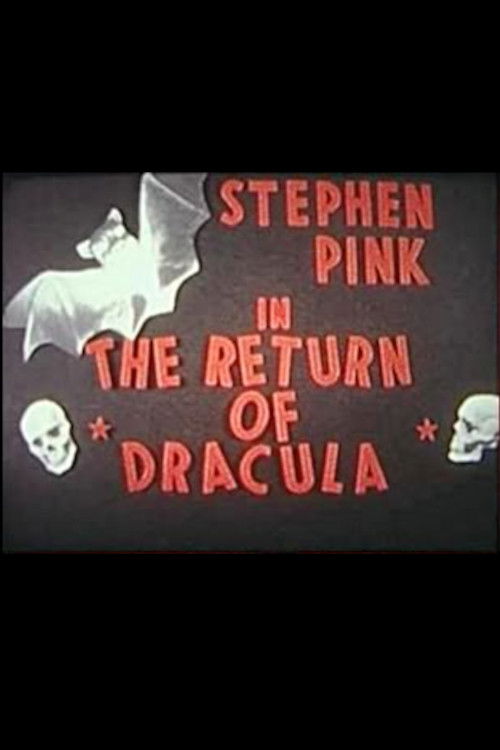
The Return of Dracula 1967
The Return of Dracula (1967) offers a bold, unconventional take on classic horror, crafted entirely in British Sign Language (BSL).
Director: Stephen Pink
Cast
Frequently Asked Questions
What is The Return of Dracula (1967) about?
This innovative horror film retells the tale of Dracula's return using only British Sign Language, eliminating traditional dialogue in favor of expressive visual storytelling. Without words, the movie builds suspense through striking imagery and haunting performances, transforming a classic vampire narrative into a uniquely immersive experience.
Who directed The Return of Dracula?
The Return of Dracula (1967) was directed by Stephen Pink, a filmmaker known for pushing boundaries in visual storytelling.
Who stars in The Return of Dracula?
The film stars Stephen Pink in the primary role, with additional cast members contributing through expressive sign language performances.
Is The Return of Dracula (1967) worth watching?
While The Return of Dracula (1967) is a niche horror film, its creative approach to storytelling makes it a standout for fans of experimental cinema and sign language enthusiasts. Its atmospheric tension and visual intensity offer a rewarding, if unconventional, viewing experience.
How long is The Return of Dracula?
Runtime details are not listed.
About The Return of Dracula (1967) — A British Sign Language Horror Classic Redefining Fear
The Return of Dracula (1967) offers a bold, unconventional take on classic horror, crafted entirely in British Sign Language (BSL). Directed by Stephen Pink, this Hammer-inspired film reimagines the legendary vampire's return through a visually driven narrative that transcends traditional dialogue. Without a single spoken word, the movie relies on expressive performances and atmospheric tension to deliver its chilling tale, blending gothic dread with the raw intensity of visual storytelling. Set against moody, shadowy backdrops, it immerses viewers in a world where silence amplifies every creeping dread and sudden shock.
With its creative use of BSL, The Return of Dracula (1967) stands out as a unique entry in horror cinema, appealing to both sign language communities and fans of experimental filmmaking. The absence of spoken language doesn't dampen the suspense; instead, it heightens the film's eerie mood, making every gesture and expression feel deliberate and potent. This approach transforms a familiar genre staple into something fresh and thought-provoking, proving that horror can be both timeless and groundbreaking.