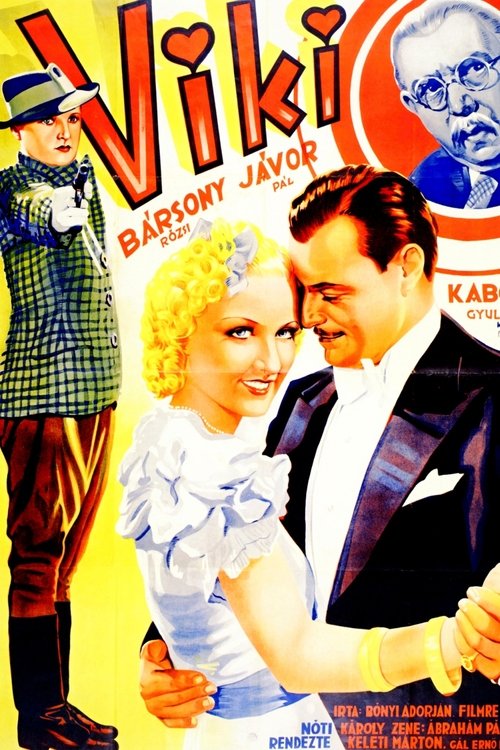
Viki 1937
Step back to 1848 Hungary, where political tensions simmer between the pro-Vienna Kont family and the revolutionary Hadhazy clan.
Director: Márton Keleti
Cast




Frequently Asked Questions
What is Viki (1937) about?
Viki follows a young woman's return from boarding school during a 19th-century Hungarian feud between rival families. After being expelled for her rebellious nature, she disguises herself as a man to defend her father at a high-stakes county meeting, sparking a series of comedic and adventurous misadventures.
Who directed Viki?
Márton Keleti directed Viki, a Hungarian filmmaker known for blending social commentary with lighthearted storytelling.
Who stars in Viki?
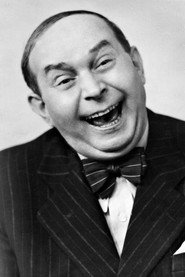
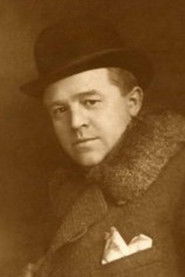
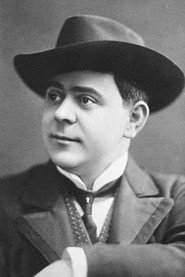
The film features Rosy Barsony as Viki, alongside Pál Jávor, Gyula Kabos, Gyula Csortos, and Kálmán Rózsahegyi in pivotal roles.
Is Viki (1937) worth watching?
As a well-regarded Hungarian comedy from the 1930s, Viki offers charm, wit, and historical flavor. While it doesn't have an IMDb rating listed, its blend of adventure and humor makes it a nostalgic treat for fans of classic cinema.
How long is Viki?
Runtime details are not listed.
About Viki (1937) — Disguise, Revolution, and Comedy in Classic Hungarian Cinema
Step back to 1848 Hungary, where political tensions simmer between the pro-Vienna Kont family and the revolutionary Hadhazy clan. Amid this backdrop of looming conflict, Viki—sharp-witted daughter of the Hadhazy household—returns from Swiss boarding school after being expelled for her rebellious streak. To protect her father at an impending county gathering, she disguises herself in men's clothing, sparking a chain of clever schemes and mistaken identities. Directed by Márton Keleti, this classic Hungarian comedy blends historical intrigue with light-hearted farce, set against a landscape of clashing loyalties and daring escapades.
Viki (1937) shines with Rosy Barsony's magnetic performance as the quick-thinking heroine, supported by a stellar cast including Pál Jávor and Gyula Kabos, delivering wit and warmth in equal measure. The film's buoyant atmosphere balances political satire with playful romance, making it a standout example of 1930s Central European cinema. Expect clever twists, a dash of adventure, and a memorable lead who refuses to be confined by tradition.