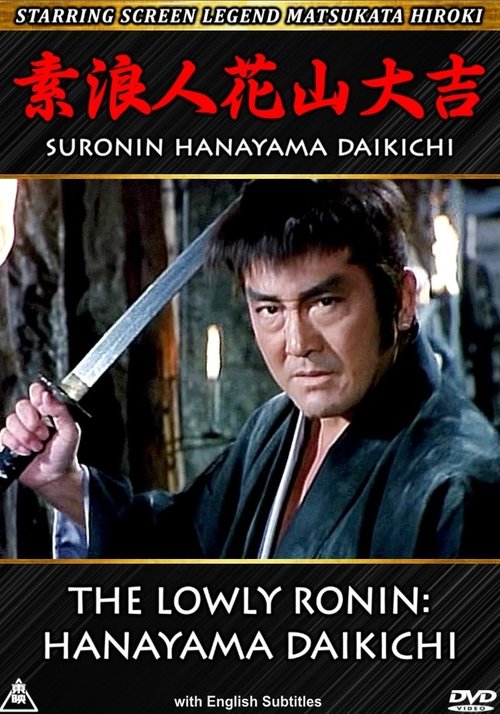
The Lowly Ronin: Hanayama Daikichi 1995
Directed by Tōru Murakawa, *The Lowly Ronin: Hanayama Daikichi (1995)* plunges viewers into a turbulent Edo-period Japan where honor clashes with desperation.
Director: Tōru Murakawa
Cast




Frequently Asked Questions
What is The Lowly Ronin: Hanayama Daikichi (1995) about?
A disgraced former samurai, Hanayama Daikichi, searches for a murdered man's daughter in a lawless post town overrun by yakuza, gamblers, and opportunists. His journey becomes a fight for survival as he uncovers conspiracies and faces deadly rivals in this gritty blend of action and dark comedy.
Who directed The Lowly Ronin: Hanayama Daikichi?
Tōru Murakawa directed this 1995 period action-drama, blending historical tension with offbeat comedic moments.
Who stars in The Lowly Ronin: Hanayama Daikichi?
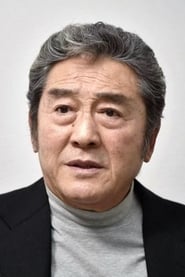
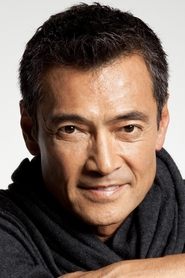
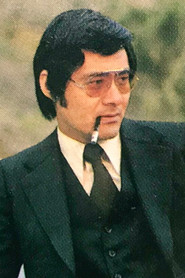
The film features Hiroki Matsukata as Hanayama Daikichi, alongside Hiroyuki Watanabe, Natsuki Okamoto, Toshihiko Tahara, and Kazue Itō in pivotal roles.
Is The Lowly Ronin: Hanayama Daikichi (1995) worth watching?
While unrated, its mix of action, history, and comedy offers a unique take on the ronin genre. Fans of gritty period films with moral complexity may find it engaging, though its niche tone isn't for everyone.
How long is The Lowly Ronin: Hanayama Daikichi?
The film runs for 95 minutes.
About The Lowly Ronin: Hanayama Daikichi (1995) — Edo-era ronin battles corruption in a gold-drenched post town
Directed by Tōru Murakawa, *The Lowly Ronin: Hanayama Daikichi (1995)* plunges viewers into a turbulent Edo-period Japan where honor clashes with desperation. Former samurai Hanayama Daikichi, now a lowly ronin, arrives in Kofu with a young girl seeking her missing family—only to find a town corrupted by greed, gold fever, and yakuza violence. With his gambler friend Hanji by his side, Daikichi navigates a web of deceit spun by a lethal female spy and a ruthless ronin, blending raw action with dark humor and deep moral questions about justice and survival.
This historical drama-action-comedy hybrid captures the gritty atmosphere of post-feudal Japan, where even the once-peaceful post town of Kofu has been overrun by opportunists and bloodshed. Murakawa's direction infuses the film with a tense, offbeat energy, balancing swordplay with wry social commentary as Daikichi fights not just for vengeance, but for the soul of a town—and himself.