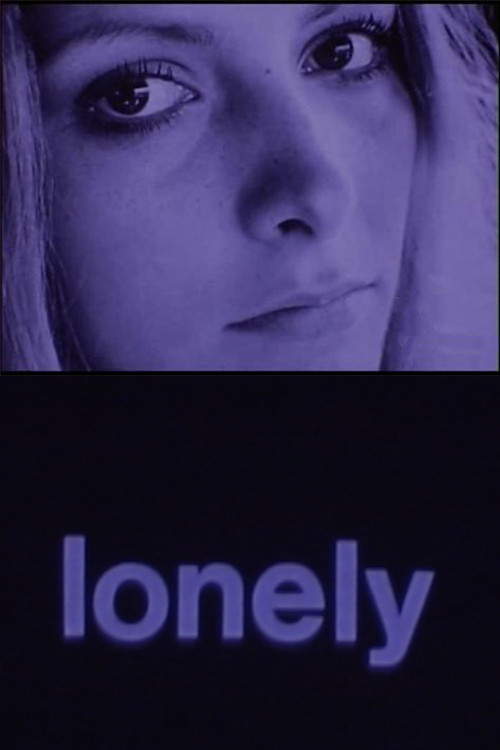
Lonely 1971
Byron Grush's experimental short film *Lonely (1971)* unfolds as a surreal collage of still photographs, fleeting motion footage, and whimsical animation set against a folk-inspired soundtrack.
Director: Byron Grush
Cast
Frequently Asked Questions
What is Lonely (1971) about?
*Lonely* weaves together photographs, film clips, and animation to explore themes of isolation and transience. The film follows a solitary woman through fragmented moments—from cycling to reclining on jagged rocks—while playful animations punctuate the visual journey, creating a mood that feels both intimate and enigmatic.
Who directed Lonely?
Lonely was directed by Byron Grush, an experimental filmmaker whose work often blends still imagery with animated whimsy.
Who stars in Lonely?
The film stars Diana Biel in a series of still and moving portraits that anchor its dreamlike narrative.
Is Lonely (1971) worth watching?
While *Lonely* isn't a conventional film, its experimental charm lies in its ability to evoke mood and curiosity in just three minutes. Fans of avant-garde cinema or short-form storytelling may find its mix of nostalgia, humor, and atmosphere uniquely appealing.
How long is Lonely?
Lonely runs for approximately 3 minutes.
About Lonely (1971) — Byron Grush's Experimental Short Film of Stillness and Motion
Byron Grush's experimental short film *Lonely (1971)* unfolds as a surreal collage of still photographs, fleeting motion footage, and whimsical animation set against a folk-inspired soundtrack. The visuals oscillate between stark and playful, from intimate snapshots of a lone woman navigating everyday moments to striking animated bursts of vivid mushrooms, a tiny truck, and the cryptic farewell "Good-by Fat Larry" dancing across dark backgrounds. Grush crafts a mood that's at once introspective and playful, weaving together themes of solitude, fleeting connection, and the quiet poetry found in fragmented moments.
Stripped of conventional narrative, *Lonely* invites viewers into a dreamlike space where stillness and motion blur, and the mundane becomes strangely mesmerizing. The film's brevity belies its richness, leaving space for interpretation—whether as a meditation on isolation or a cheeky exploration of artistic whimsy. With its blend of raw imagery and bursts of color, Grush's work lingers like a half-remembered dream, defying easy categorization while staying firmly rooted in the experimental spirit of early 1970s cinema.