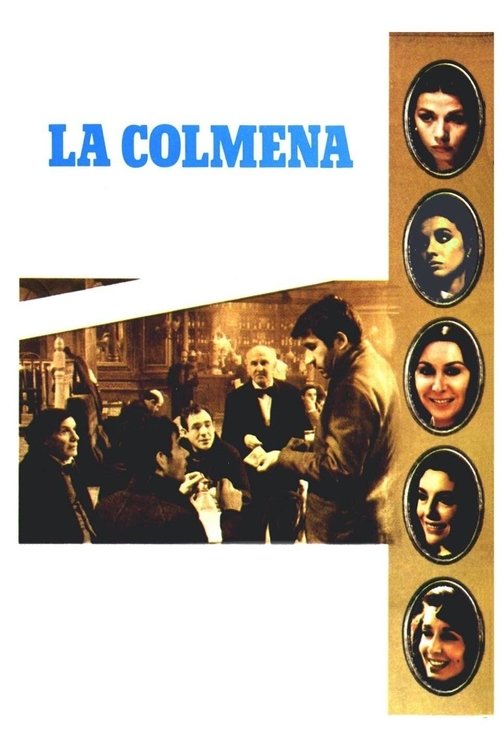
The Beehive 1982
The Beehive (1982) is a poignant Spanish drama directed by Mario Camus that paints a vivid portrait of post-Civil War Madrid in 1942. Based on Camilo Jose Cela's novel, the film weaves together multiple interconnected stories against the backdrop of Franco's repressive regime.
Director: Mario Camus
Cast








Frequently Asked Questions
What is The Beehive (1982) about?
The Beehive follows interconnected lives in a Madrid boarding house during 1942, exploring how different social classes cope with life after the Spanish Civil War. The story contrasts struggling intellectuals with those who profit from the chaotic post-war economy.
Who directed The Beehive?
Mario Camus directed The Beehive, bringing his distinctive storytelling style to this adaptation of Camilo Jose Cela's acclaimed novel.
Who stars in The Beehive?
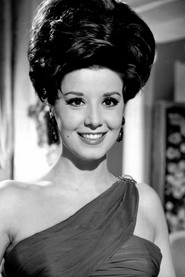
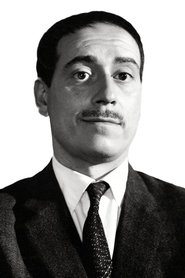
The film features Ana Belén, Concha Velasco, Victoria Abril, Francisco Rabal, Mario Pardo, and Fiorella Faltoyano in leading roles.
Is The Beehive (1982) worth watching?
With its rich character studies and historical significance, The Beehive offers compelling drama that resonates beyond its 1942 setting. The strong ensemble cast and thoughtful direction make it worthwhile for fans of Spanish cinema and social dramas.
How long is The Beehive?
The Beehive runs for 112 minutes.
The Beehive: Post-War Madrid Stories — Full Movie Info
The Beehive (1982) is a poignant Spanish drama directed by Mario Camus that paints a vivid portrait of post-Civil War Madrid in 1942. Based on Camilo Jose Cela's novel, the film weaves together multiple interconnected stories against the backdrop of Franco's repressive regime. Through its ensemble cast featuring Ana Belén, Concha Velasco, and Victoria Abril, the movie explores the stark divide between struggling artists and opportunistic profiteers who thrive in the war's aftermath.
Set in a boarding house that serves as the film's central metaphor, The Beehive captures the resilience and desperation of ordinary Spaniards during one of the country's darkest periods. The narrative contrasts the intellectual poverty of poets and writers with the material wealth gained through black market dealings, creating a compelling study of morality and survival. Camus brings Cela's literary vision to life with authentic period detail and powerful performances.
This 112-minute drama blends elements of comedy and tragedy to examine themes of social inequality, political oppression, and human dignity. The film's rich character development and atmospheric storytelling make it a significant entry in Spanish cinema, offering viewers a window into a pivotal moment in the nation's history.