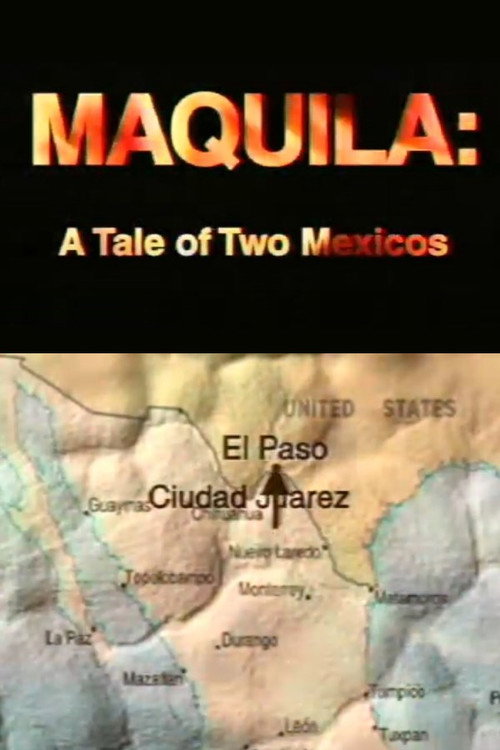
Maquila: A Tale of Two Mexicos 2000
Directed by Sonia Angulo, *Maquila: A Tale of Two Mexicos* (2000) offers a gripping, intimate look at corporate globalization's stark divide in Mexico. This 54-minute documentary immerses viewers in the world of maquiladoras—U.S.
Director: Sonia Angulo
Frequently Asked Questions
What is *Maquila: A Tale of Two Mexicos* (2000) about?
This documentary dives deep into the maquiladora system in Mexico, where U.S.-owned factories create economic opportunities but often exploit low-wage workers. Filmmaker Sonia Angulo uncovers the human stories behind the factories, revealing the stark inequalities shaped by corporate globalization.
Who directed *Maquila: A Tale of Two Mexicos*?
Sonia Angulo directed this eye-opening documentary, bringing a sharp, human-centric perspective to the issues of labor and globalization.
Who stars in *Maquila: A Tale of Two Mexicos*?
Cast details for this documentary are not listed, reflecting its focus on real-life workers and stakeholders rather than traditional actors.
Is *Maquila: A Tale of Two Mexicos* (2000) worth watching?
As a 54-minute documentary, *Maquila* offers a concise yet powerful exploration of globalization's human impact. While it lacks a formal rating, its themes and directorial vision make it a valuable watch for those interested in labor rights and economic justice.
How long is *Maquila: A Tale of Two Mexicos*?
The documentary runs for 54 minutes.
About Maquila: A Tale of Two Mexicos (2000) — A Documentary Exposing Globalization's Divide
Directed by Sonia Angulo, *Maquila: A Tale of Two Mexicos* (2000) offers a gripping, intimate look at corporate globalization's stark divide in Mexico. This 54-minute documentary immerses viewers in the world of maquiladoras—U.S.-owned factories where cheap labor fuels economic growth but often at the cost of workers' rights and dignity. Through raw interviews and on-the-ground footage, Angulo paints a vivid picture of two contrasting Mexicos: one thriving in the shadow of foreign profits, the other struggling under exploitative labor conditions. The film's unflinching lens exposes the human stories behind the factories, blending economic analysis with emotional depth.
Framing globalization as both a promise and a burden, *Maquila* challenges viewers to question who truly benefits from cross-border trade. The documentary's intimate scale and urgent themes make it a compelling watch for anyone interested in labor economics, social justice, or the ethical complexities of global capitalism.