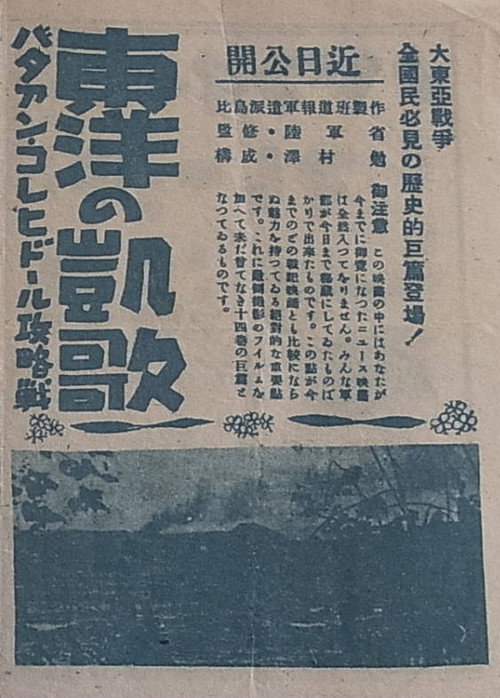
The Victory Song of the Orient 1942
Dive into the controversial world of early wartime cinema with *The Victory Song of the Orient (1942)*, a stark and propagandistic documentary directed by Tsutomu Sawamura.
Director: Tsutomu Sawamura
Frequently Asked Questions
What is The Victory Song of the Orient (1942) about?
This 1942 documentary, directed by Tsutomu Sawamura, showcases Japan's wartime narrative through symbolic imagery, including captured American generals and a defiled American flag. It serves as a propagandistic celebration of occupation rather than a traditional narrative film.
Who directed The Victory Song of the Orient?
The film was directed by Tsutomu Sawamura, a filmmaker whose work during World War II reflected the ideological priorities of the era.
Who stars in The Victory Song of the Orient?
Cast information for this documentary is not listed, as the focus was on propagandistic visuals rather than individual performers.
Is The Victory Song of the Orient (1942) worth watching?
As a historical document, *The Victory Song of the Orient* offers insights into wartime propaganda techniques, but its lack of nuance or modern cinematic appeal limits its entertainment value. It's best suited for researchers or history enthusiasts rather than casual viewers.
How long is The Victory Song of the Orient?
The runtime of *The Victory Song of the Orient* is 103 minutes.
About The Victory Song of the Orient (1942) — A Forgotten Wartime Propaganda Film Explored
Dive into the controversial world of early wartime cinema with *The Victory Song of the Orient (1942)*, a stark and propagandistic documentary directed by Tsutomu Sawamura. This 103-minute film, a piece of historical propaganda from Japan's wartime era, crafts a cinematic narrative that glorifies occupation while using visual symbolism to underscore themes of victory and defeat. Through carefully staged imagery—like portraits of captured American generals and the humiliation of the American flag—the movie delivers a chilling portrayal of ideological control, blending patriotism with the harsh realities of war. Its atmosphere is tense and unsettling, reflecting the propaganda techniques of the time rather than the nuanced storytelling of modern cinema.
Despite its limited artistic scope, *The Victory Song of the Orient* remains a significant artifact of mid-20th-century film history, offering a glimpse into how cinema was weaponized for national narratives. As a documentary, it prioritizes political messaging over storytelling, making it more of a historical record than a cinematic experience. For viewers interested in wartime propaganda, military history, or the evolution of documentary filmmaking, it serves as a compelling, if unsettling, case study in the power of visual media.