
Diary of a Shinjuku Thief 1969
Nagisa Ōshima's *Diary of a Shinjuku Thief* (1969) weaves together the chaotic lives of three strangers in Tokyo's neon-lit Shinjuku district.
Director: Nagisa Ōshima
Cast

Tadanori Yokoo
Torio Okanoue

Rie Yokoyama
Umeko Suzuki

Fumio Watanabe
Himself

Kei Satō
Himself

Rokkō Toura
Himself

Juro Kara
Singer
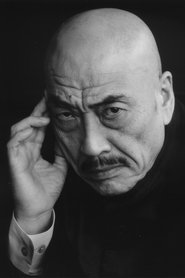
Akaji Maro
Actor

Taka Okubo
Himself

Reisen Ri
Actress
Moichi Tanabe
Self
Frequently Asked Questions
What is Diary of a Shinjuku Thief (1969) about?
This unconventional drama follows three unlikely individuals whose lives intertwine in Tokyo's Shinjuku district. A kleptomaniac, a bookstore worker, and a kabuki actor navigate love, theft, and self-discovery in a city teetering between tradition and rebellion.
Who directed Diary of a Shinjuku Thief?
The film was directed by Nagisa Ōshima, the visionary Japanese filmmaker known for bold, politically charged cinema that pushed boundaries.
Who stars in Diary of a Shinjuku Thief?
The cast features Tadanori Yokoo, Rie Yokoyama, Fumio Watanabe, Kei Satō, and Rokkō Toura.
Is Diary of a Shinjuku Thief (1969) worth watching?
If you appreciate raw, thought-provoking cinema that blends drama and comedy with a rebellious spirit, this cult classic is absolutely worth your time. Ōshima's film is as relevant today as it was in 1969, offering a unique look at a pivotal moment in Japanese history.
How long is Diary of a Shinjuku Thief?
The film runs for 96 minutes.
🎥 Trailer
About Diary of a Shinjuku Thief (1969) — Nagisa Ōshima's Cult Classic of Tokyo's Underground
Nagisa Ōshima's *Diary of a Shinjuku Thief* (1969) weaves together the chaotic lives of three strangers in Tokyo's neon-lit Shinjuku district. A compulsive shoplifter, a bookstore clerk with her own quiet rebellions, and a flamboyant kabuki actor find their paths colliding in this bold blend of drama and comedy. The film captures the restless energy of 1960s Japan, where tradition clashes with the avant-garde, and personal identity feels as fluid as the district's shifting landscapes. Ōshima's signature style shines through the film's sharp social critique, blending absurd humor with moments of raw vulnerability.
Set against the backdrop of a city in transformation, the story unfolds like a diary—intimate, fragmented, and deeply human. The characters' interactions explore themes of freedom, alienation, and the search for meaning in a rapidly modernizing world. With its striking visuals and uncompromising tone, *Diary of a Shinjuku Thief* remains a cult classic that defies easy categorization, offering a glimpse into Ōshima's fearless filmmaking and the spirit of an era.