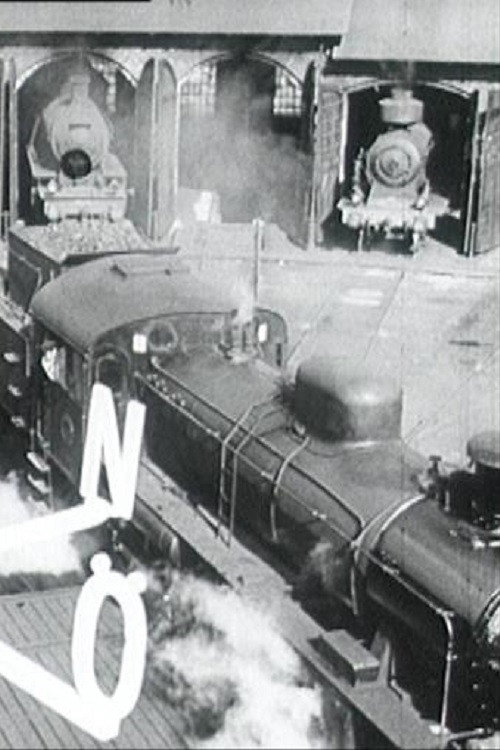
The Train 1948
Experience Sweden's stunning landscapes from a whole new perspective with *The Train (1948)*, a short documentary directed by Gösta Werner.
Director: Gösta Werner
Frequently Asked Questions
What is The Train (1948) about?
*The Train (1948)* is a documentary that follows a scenic railway journey across Sweden, showcasing the country's diverse landscapes and rural life. With no dialogue, the film relies on sweeping visuals to convey the mood and rhythm of travel during the late 1940s.
Who directed The Train?
The Train was directed by Gösta Werner, a filmmaker known for his work in documentary and early Swedish cinema.
Who stars in The Train?
Cast details for *The Train (1948)* are not publicly available, as it focuses more on landscapes than performers.
Is The Train (1948) worth watching?
*The Train (1948)* is a brief but evocative watch, ideal for fans of classic travelogues or minimalist cinema. Its 21-minute runtime makes it accessible, while its historical charm and visual storytelling offer a rewarding glimpse into mid-century Sweden.
How long is The Train?
The Train runs for 21 minutes.
About The Train (1948) — A 21-Minute Cinematic Ride Through Sweden's Landscapes
Experience Sweden's stunning landscapes from a whole new perspective with *The Train (1948)*, a short documentary directed by Gösta Werner. In just 21 minutes, this black-and-white gem captures the raw beauty and serene rhythm of a train journey through the Scandinavian countryside. The film immerses viewers in the texture of rural life, from rolling hills dotted with villages to the hypnotic motion of the tracks below. Werner's lens frames fleeting moments—steam rising, fields blurring into forests, and passengers lost in thought—crafting a meditative snapshot of post-war Sweden. Though stripped of dialogue, the visuals speak volumes, offering a quiet yet profound reflection on travel, time, and the ever-changing world outside the window.
For fans of minimalist cinema and historical travelogues, *The Train (1948)* stands as a charming artifact of its era. Its concise runtime belies a rich atmosphere, where every frame feels deliberate and every mile traveled evokes a sense of discovery. Whether you're drawn to its nostalgic aesthetic or simply curious about classic Swedish cinema, this short film delivers a slice of cinematic history that's as visually soothing as it is quietly compelling.