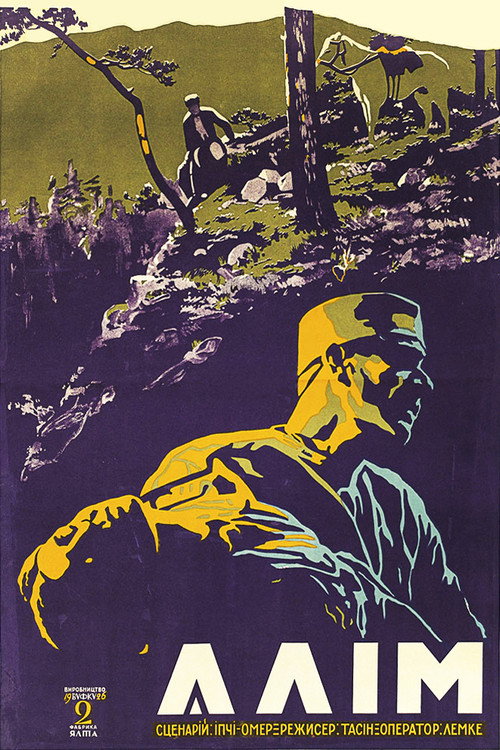
Alim 1926
Discover the raw drama and revolutionary spirit of *Alim (1926)*, a gripping silent-era film that blends Crimean Tatar folklore with fiery social protest.
Director: Heorhiy Tasin
Cast


Frequently Asked Questions
What is Alim (1926) about?
Alim tells the story of a fiercely independent Crimean Tatar man, Alim Aidamak, who refuses to tolerate the cruelty of a ruthless landlord. After standing up to abuse at a leather factory, Alim is cast out—but his defiance only grows as he joins a secret revolutionary group. The film weaves together themes of oppression, love, and rebellion against a backdrop of 19th-century Crimea.
Who directed Alim?
Alim was directed by Heorhiy Tasin, a filmmaker known for his work during the silent film era. His direction brings a visceral intensity to the historical drama, making the story's revolutionary themes feel both timeless and urgent.
Who stars in Alim?
The film stars Heiri Emirzade and Assie Emir-zade in lead roles, with Oleksandr Arbo, Mikhail Arbenin, and H. Marynchak rounding out the key cast as the film's dramatic tensions unfold.
Is Alim (1926) worth watching?
While it's a silent film from 1926, *Alim* offers a rare glimpse into Crimean Tatar history and early revolutionary cinema. Its blend of drama and Western aesthetics, combined with a compelling lead performance, makes it a fascinating watch for fans of historical films—even if its pacing may feel deliberate by modern standards. It's more than just a historical curiosity; it's a film with heart and grit.
How long is Alim?
Alim runs for 61 minutes, a concise runtime that packs in historical drama and revolutionary fervor without unnecessary filler.
About Alim (1926) — A Silent-Era Crimean Rebellion Roars to Life
Discover the raw drama and revolutionary spirit of *Alim (1926)*, a gripping silent-era film that blends Crimean Tatar folklore with fiery social protest. Set in the rugged landscapes of 19th-century Crimea, this historical drama directed by Heorhiy Tasin follows the fiery tale of Alim Aidamak, a proud jigit who defies the tyranny of landlord Ali-bay after enduring relentless exploitation at his leather factory. When Alim strikes back, he's fired—but not defeated. His journey takes a dramatic turn as he abandons comfort for rebellion, joining a secret underground movement in the mountains. The film pulses with tension, blending the swagger of a Western with the emotional heft of a classic drama, all while exploring themes of justice, class struggle, and forbidden love with Sara, the daughter of his former oppressor.
Tasin's direction infuses *Alim* with a cinematic urgency, making every frame feel like a brushstroke in a larger historical canvas. The atmosphere is thick with the dust of rebellion and the quiet defiance of the oppressed, all framed by the stark beauty of Crimea's terrain. Though silent, the film speaks volumes through its passionate performances, particularly from Heiri Emirzade as Alim and Assie Emir-zade as Sara, whose fleeting romance adds a layer of tender melancholy to the firebrand narrative.