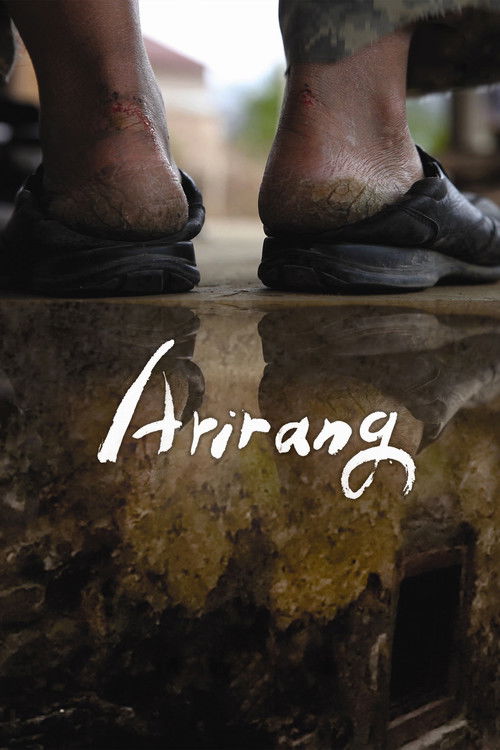
Arirang 2011
Kim Ki-duk steps behind the camera to deliver a deeply personal documentary in *Arirang (2011)*, a raw and introspective look back at his celebrated yet controversial career.
Director: Kim Ki-duk
Cast

Frequently Asked Questions
What is Arirang (2011) about?
*Arirang (2011)* is a documentary where director Kim Ki-duk turns the camera on himself, documenting a period of self-doubt and creative rebirth. Rather than a traditional biography, it's an intimate, unscripted monologue exploring the pressures of fame, the weight of artistic expectations, and the emotional toll of a prolific career.
Who directed Arirang?
Arirang (2011) was directed by Kim Ki-duk, the acclaimed South Korean filmmaker known for visually striking and thematically provocative films like *Spring, Summer, Fall, Winter... and Spring* and *The Isle*.
Who stars in Arirang?
The film stars director Kim Ki-duk himself, appearing as both subject and narrator in this introspective documentary.
Is Arirang (2011) worth watching?
As an unfiltered glimpse into one of cinema's most polarizing auteurs, *Arirang (2011)* offers profound insight for fans of Kim Ki-duk's work. Its raw honesty and hypnotic simplicity make it a compelling watch—even if you disagree with its premise. Though not a typical narrative film, it delivers emotional resonance and thematic depth that reward attentive viewers.
How long is Arirang?
Arirang (2011) runs for 100 minutes.
🎥 Trailer
About Arirang (2011) — Kim Ki-duk's Candid Self-Portrait Hits the Screen
Kim Ki-duk steps behind the camera to deliver a deeply personal documentary in *Arirang (2011)*, a raw and introspective look back at his celebrated yet controversial career. Filmed in stark black-and-white, the 100-minute journey blends candid self-reflection with the haunting weight of artistic legacy, capturing the director's emotional state in real time. Shot in just 14 days on a handheld camcorder, the film emanates a stripped-down, confessional energy that mirrors the director's signature style—visceral, unfiltered, and unapologetic. It's less about polished storytelling and more about a man confronting his own demons through the lens of his greatest creation: himself.
Unlike traditional biographical films, *Arirang (2011)* exists in a space between art and autobiography, where every frame feels like a diary entry. The atmosphere is one of quiet intensity, oscillating between regret and resilience as Kim revisits the films that defined him. With no script or rehearsal, the documentary feels spontaneous, a spontaneous outpouring of doubt and determination. It's a meditation on failure, fame, and the fragile relationship between artist and audience, all woven into a singular cinematic experience that lingers long after the credits roll.