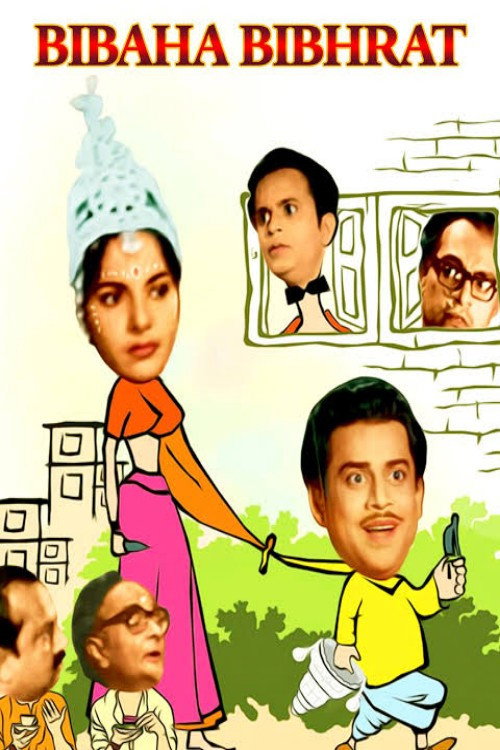
Bibaha Bibhrat 1969
In *Bibaha Bibhrat* (1969), a comedy classic directed by Asim Bandyopadhyay, newlyweds Ashoke and Mala face an uphill battle when conservative family expectations threaten to tear their marriage apart.
Director: Asim Bandyopadhyay
Cast


Frequently Asked Questions
What is Bibaha Bibhrat (1969) about?
The film follows Ashoke and Mala's forced marriage, which quickly sours when Ashoke's conservative father refuses to accept her. Left to fend for herself, Mala takes bold action to prove her worth and reshape her destiny. It's a sharp, humorous take on societal expectations vs. personal freedom.
Who directed Bibaha Bibhrat?
Asim Bandyopadhyay directed *Bibaha Bibhrat* (1969), infusing the film with his signature blend of social satire and comedic timing.
Who stars in Bibaha Bibhrat?
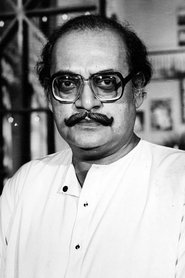
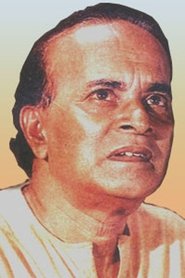
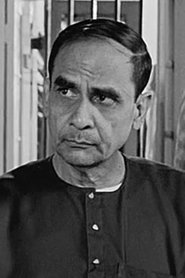
The film features legendary actors Utpal Dutt, Rabi Ghosh, Anup Kumar, Lily Chakravarty, and Haridhan Mukhopadhyay, delivering unforgettable performances in their respective roles.
Is Bibaha Bibhrat (1969) worth watching?
While it's unrated on IMDb, *Bibaha Bibhrat* (1969) is a cult favorite among Bengali comedy fans for its clever script and standout cast. Its themes of gender dynamics and societal norms still resonate today, making it a nostalgic yet timely watch for fans of classic comedies.
How long is Bibaha Bibhrat?
The runtime of *Bibaha Bibhrat* (1969) is 117 minutes.
About Bibaha Bibhrat (1969) — A Comedy Classic on Marriage, Tradition and Rebellion
In *Bibaha Bibhrat* (1969), a comedy classic directed by Asim Bandyopadhyay, newlyweds Ashoke and Mala face an uphill battle when conservative family expectations threaten to tear their marriage apart. With Ashoke paralyzed by tradition and Mala left to navigate societal pressures alone, the film brims with wit and sharp social commentary, turning a personal crisis into a battle of wills. Set against the backdrop of middle-class Bengali life, the movie balances lighthearted humor with biting observations on marriage, identity, and familial duty.
As Mala refuses to be sidelined, her determination drives the story forward, embodying the resilience of a woman fighting for her place in a rigid world. *Bibaha Bibhrat* (1969) stands out for its clever dialogue, stellar performances, and an ending that leaves audiences both laughing and reflecting.