USURA, AMORE E MISERICORDIA 1973
In 1973, Italian director Pier Paolo Pasolini collaborator Pier Paolo Calzolari crafted *USURA, AMORE E MISERICORDIA*, a hypnotic 19-minute experimental film that blends raw emotion with stark minimalism.
Director: Pier Paolo Calzolari
Frequently Asked Questions
What is USURA, AMORE E MISERICORDIA (1973) about?
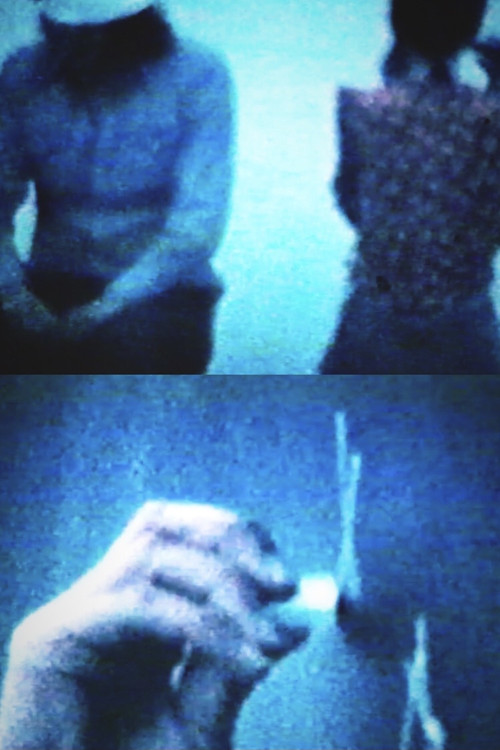
This avant-garde short centers on a blindfolded artist and a tearful woman who write words like 'usury' and 'mercy' on a blackboard. As a harmonica plays their written words and a second figure marches in place, the film becomes a haunting meditation on exploitation, pain, and the search for meaning in a morally fractured world.
Who directed USURA, AMORE E MISERICORDIA?
Pier Paolo Calzolari directed this 1973 experimental film, known for his collaborations with fellow Italian provocateurs like Pier Paolo Pasolini.
Who stars in USURA, AMORE E MISERICORDIA?
The cast details are not listed, but the film features an artist who blindfolds himself, a woman who cries while holding onions to her eyes, and a second figure who marches rhythmically in the background.
Is USURA, AMORE E MISERICORDIA (1973) worth watching?
As a short experimental piece with no IMDb rating, *USURA, AMORE E MISERICORDIA* won't appeal to mainstream audiences, but it's a fascinating curiosity for fans of avant-garde cinema and visual poetry. Its themes of suffering and moral decay resonate powerfully, though its abstract nature may frustrate those seeking a traditional narrative.
How long is USURA, AMORE E MISERICORDIA?
The film runs approximately 19 minutes.
About USURA, AMORE E MISERICORDIA (1973) — A Hypnotic 19-Minute Experiment in Suffering and Redemption
In 1973, Italian director Pier Paolo Pasolini collaborator Pier Paolo Calzolari crafted *USURA, AMORE E MISERICORDIA*, a hypnotic 19-minute experimental film that blends raw emotion with stark minimalism. The piece unfolds like a surreal ritual: an artist dons a blindfold while a woman presses onions to her eyes, tears flowing as they alternately write the Italian words for "usury," "love," and "mercy" on a blackboard. As a harmonica melody drifts from the woman's playing, the artist clutches jugs of water, and a second figure marches in place, turning the abstract into a visceral meditation on suffering, redemption, and the cyclical nature of human exploitation. Shot in high-contrast tones, the film pulses with tension between silence and sound, absence and presence, creating an atmosphere thick with existential unease.
Calzolari strips cinema down to its barest elements here, using repetition, symbolism, and physical gesture to dissect moral and economic decay. The onion tears suggest both pain and purification, while the harmonica's plaintive notes evoke a plea for mercy amid institutionalized cruelty. Though stripped of dialogue, the work speaks volumes through its stark visual language, leaving viewers to interpret whether the ritual is an indictment of avarice or a fragile cry for reconciliation. A daring fusion of performance art and avant-garde filmmaking, this obscure gem challenges audiences to confront the weight of their own complicity in systems of exploitation.
Explore *USURA, AMORE E MISERICORDIA (1973)*—a provocative short that lingers long after the credits roll.