Explosion of a Motor Car 1900
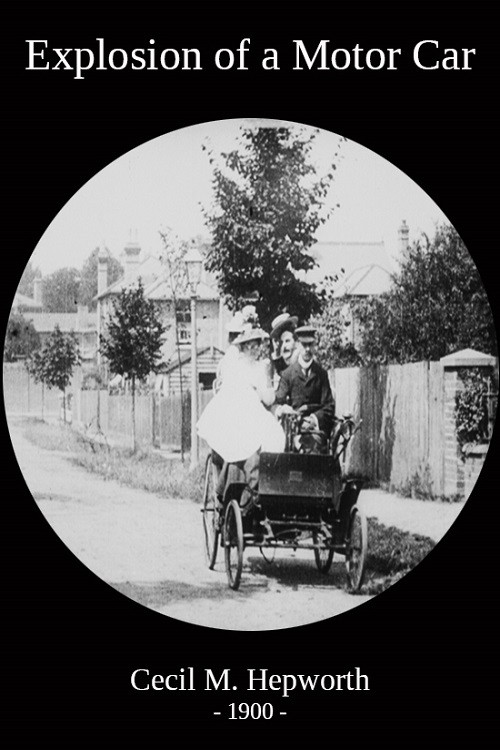
Explosion of a Motor Car (1900) is one of the earliest surviving examples of British slapstick cinema, crafted by the pioneer Cecil M. Hepworth.
Director: Cecil M. Hepworth
Cast
Frequently Asked Questions
What is Explosion of a Motor Car (1900) about?
The film depicts a comically exaggerated car explosion that scatters human body parts across the sky. A police officer arrives to investigate, only to find himself struggling to piece together the dismembered remains in a futile, slapstick effort.
Who directed Explosion of a Motor Car?
Cecil M. Hepworth directed the film. Known as a pioneer of British cinema, Hepworth was instrumental in shaping early cinematic language and trick photography techniques.
Who stars in Explosion of a Motor Car?
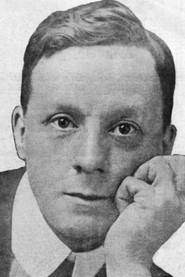
The cast includes Cecil M. Hepworth himself and Henry Lawley, both of whom helped bring this whimsical trick film to life.
Is Explosion of a Motor Car (1900) worth watching?
For silent-film enthusiasts and history buffs, this 2-minute short is a delightful artifact that showcases early cinematic ingenuity. While it's more a historical curiosity than a narrative masterpiece, its offbeat humor and visual trickery still deliver a quick, charming laugh.
How long is Explosion of a Motor Car?
Explosion of a Motor Car runs approximately 2 minutes, making it a bite-sized dose of early cinematic entertainment.
About Explosion of a Motor Car (1900) — The World's First Automotive Comedy Meltdown
Explosion of a Motor Car (1900) is one of the earliest surviving examples of British slapstick cinema, crafted by the pioneer Cecil M. Hepworth. This ultra-short silent comedy uses simple but effective trick photography to deliver an absurd yet visually striking gag: a motor car erupts in a puff of smoke, and human limbs rain down from the sky. A bemused constable appears as the hapless straight man tasked with reassembling the scattered pieces, only to find himself holding an arm where a wheel should be. The film captures the playful recklessness of the early 1900s, when cinema was still learning to make audiences laugh through pure, unfiltered spectacle rather than polished narrative.
Hepworth's lighthearted trickery reflects the dawn of cinematic innovation, blending Victorian-era pranks with the mechanical energy of the new century. Shot in just a couple of minutes, the piece feels like a playful exercise in controlled chaos, where gravity and logic are cheerfully suspended. It's less a story and more a kinetic punchline—one that leaves viewers grinning at the sheer audacity of turning a car crash into a comedy routine long before CGI ever existed.