
Gips 2001
A quietly unsettling 2001 Japanese thriller-romance directed by Akihiko Shiota, *Gips* follows Kazuko, a reserved 22-year-old secretary whose routine evening takes an unexpected turn when she encounters Tamaki, a young woman struggling to walk on cru...
Director: Akihiko Shiota
Cast



Frequently Asked Questions
What is Gips (2001) about?
A chance meeting between two strangers—Kazuko, a young secretary, and Tamaki, a woman on crutches—unfolds into a series of oddly intimate moments in Tamaki's apartment. What starts as a simple act of kindness spirals into something more ambiguous and suspenseful, blurring the lines between help and manipulation.
Who directed Gips?
Akihiko Shiota, a Japanese filmmaker known for his atmospheric and psychologically driven narratives, directed *Gips*.
Who stars in Gips?
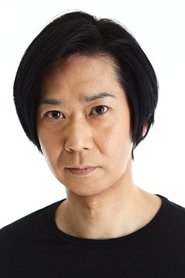
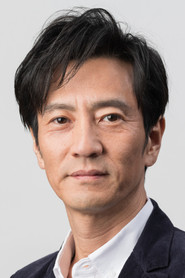
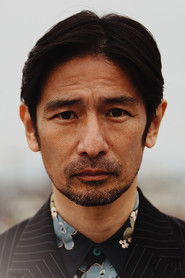
The film features Machiko Ono and Hinako Saeki in the central roles, supported by Hiromi Kuronuma, Toru Tezuka, Kanji Tsuda, and So Yamanaka.
Is Gips (2001) worth watching?
If you enjoy slow-burn thrillers with a dash of romance and psychological tension, *Gips* is worth your time. Its understated yet gripping premise and strong performances make it a compelling watch, though its ambiguous tone may not appeal to everyone.
How long is Gips?
The film runs for 83 minutes.
🎥 Trailer
About Gips (2001) — A Tokyo Thriller-Romance of Chance and Curiosity
A quietly unsettling 2001 Japanese thriller-romance directed by Akihiko Shiota, *Gips* follows Kazuko, a reserved 22-year-old secretary whose routine evening takes an unexpected turn when she encounters Tamaki, a young woman struggling to walk on crutches with a poorly fitted cast. Their fleeting encounter outside a train station leads to an oddly intimate exchange inside Tamaki's apartment, where a series of mundane errands spirals into something far more intriguing and ambiguous.
The film unfolds like a slow-burn puzzle, with Shiota crafting a mood that oscillates between tender curiosity and creeping tension. Shot with a naturalistic lens, *Gips* explores themes of chance connections, vulnerability, and the unspoken dynamics of human interaction. Its restrained pacing and understated performances—particularly from leads Machiko Ono and Hinako Saeki—create an atmosphere that lingers long after the credits roll, inviting viewers to piece together what's really happening behind closed doors.