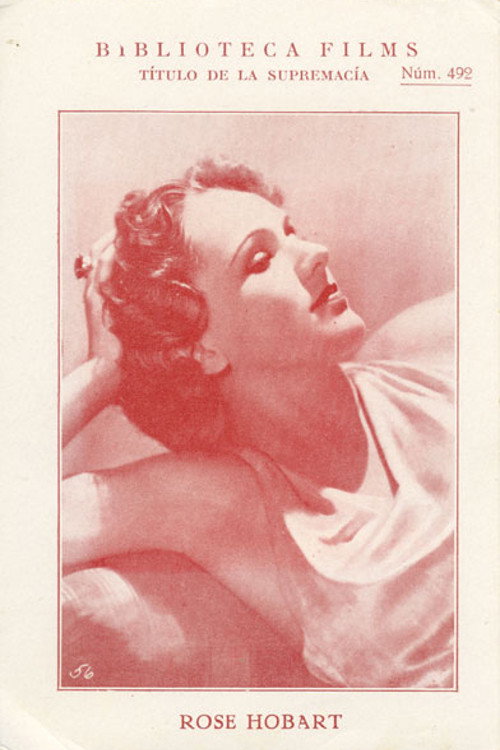
Rose Hobart 1936
In Joseph Cornell's avant-garde short film *Rose Hobart* (1936), the director transforms archival footage from the 1931 jungle melodrama *East of Borneo* into a haunting meditation on desire, isolation, and the uncanny.
Director: Joseph Cornell
Cast
Frequently Asked Questions
What is *Rose Hobart* (1936) about?
*Rose Hobart* reimagines clips from the 1931 film *East of Borneo*, focusing on actress Rose Hobart as she navigates an exotic, almost dreamlike jungle. Through Cornell's experimental editing, her character becomes a mesmerizing yet unsettling figure, oscillating between beauty and menace in a world where nature and fantasy blur.
Who directed *Rose Hobart*?
*Rose Hobart* was directed by Joseph Cornell, a pioneer of avant-garde and collage filmmaking whose work often challenged conventional storytelling.
Who stars in *Rose Hobart*?
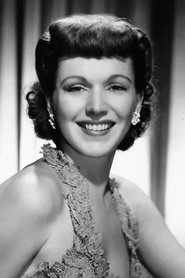
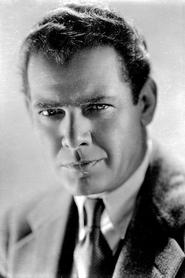
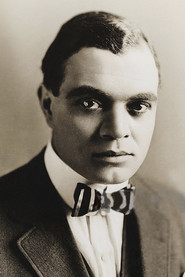
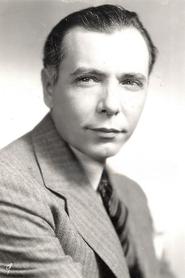
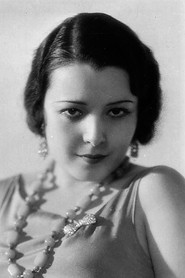
The film stars Rose Hobart as herself, alongside Charles Bickford, Noble Johnson, Georges Renavent, and Lupita Tovar in key roles.
Is *Rose Hobart* (1936) worth watching?
If you're a fan of experimental cinema or curious about early avant-garde filmmaking, *Rose Hobart* is absolutely worth watching. Its bold visual style and thematic depth make it a standout short film, even if its runtime is brief. The film's unique approach to found footage ensures it remains a fascinating study in cinematic reinvention.
How long is *Rose Hobart*?
*Rose Hobart* has a runtime of 20 minutes.
About Rose Hobart (1936) — Joseph Cornell's surreal, disquieting experimental short film
In Joseph Cornell's avant-garde short film *Rose Hobart* (1936), the director transforms archival footage from the 1931 jungle melodrama *East of Borneo* into a haunting meditation on desire, isolation, and the uncanny. By isolating and recontextualizing clips of lead actress Rose Hobart, Cornell crafts a surreal narrative where she becomes both an object of fascination and unease, trapped in a lush, exotic setting that borders on dreamlike dread. The film's collage-style editing fractures time and space, turning familiar images into something disquieting and mesmerizing, as Hobart's character oscillates between allure and entrapment.
Despite its concise 20-minute runtime, *Rose Hobart* packs a punch, blending elements of mystery with the avant-garde to explore themes of colonial exoticism and cinematic manipulation. The black-and-white visuals amplify the film's eerie atmosphere, creating a hypnotic experience that lingers long after the credits roll. For fans of experimental cinema, Cornell's work remains a bold experiment in reimagining found footage, offering a glimpse into the director's unique vision and Hobart's enigmatic presence.