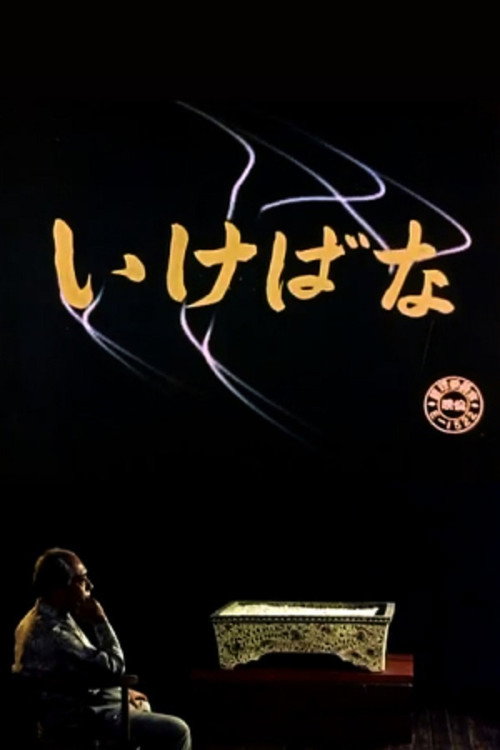
Ikebana 1957
Dive into the delicate world of *Ikebana (1957)*, Hiroshi Teshigahara's meditative documentary that explores the timeless art of Japanese flower arrangement.
Director: Hiroshi Teshigahara
Cast
Frequently Asked Questions
What is Ikebana (1957) about?
*Ikebana (1957)* is a short documentary that delves into the history and philosophy of ikebana, the Japanese art of flower arrangement. The film focuses on the Sogetsu School, where director Hiroshi Teshigahara's father, Sofu Teshigahara, was the grand master. It explores how ikebana bridges centuries-old traditions with contemporary artistic expression.
Who directed Ikebana?
The film was directed by Hiroshi Teshigahara, a visionary filmmaker known for blending art and cinema in unique ways.
Who stars in Ikebana?
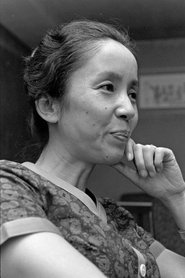
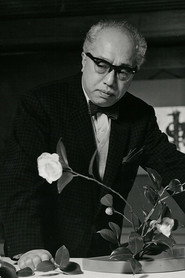
The documentary features Sofu Teshigahara and Tomoko Naraoka, key figures in the Sogetsu School of Ikebana.
Is Ikebana (1957) worth watching?
While *Ikebana (1957)* is a niche documentary, its meditative pace and artistic depth make it rewarding for fans of cultural films. As a short runtime film, it's accessible and visually captivating, though it may appeal more to art enthusiasts than general audiences.
How long is Ikebana?
The film has a runtime of 32 minutes.
About Ikebana (1957) — A 32-Minute Meditation on the Art of Japanese Flower Arrangement
Dive into the delicate world of *Ikebana (1957)*, Hiroshi Teshigahara's meditative documentary that explores the timeless art of Japanese flower arrangement. At just 32 minutes, this short film unfolds like a visual poem, tracing the evolution of ikebana through the lens of the Sogetsu School, where Teshigahara's father, Sofu Teshigahara, served as grand master. The film captures the harmony between nature and human creativity, blending tradition with modern expression. With a serene and contemplative atmosphere, *Ikebana (1957)* is a celebration of patience, precision, and the quiet beauty found in every petal and stem.
Stripped of narrative excess, the documentary immerses viewers in the philosophy behind ikebana, revealing how this ancient practice is both an art form and a spiritual discipline. Teshigahara's direction is unhurried yet deeply engaging, allowing the artistry of each arrangement to unfold naturally. The presence of Sofu Teshigahara and Tomoko Naraoka adds authenticity, grounding the film in lived expertise. Whether you're an art enthusiast or a curious newcomer, *Ikebana (1957)* offers a rare glimpse into a cultural treasure that transcends centuries.